


Gut Health and Skin Connection You’ve tried the serums. You’ve tried the “miracle” creams. You’ve even tried cutting out dairy for exactly four days before giving up. And yet the breakouts, the dullness, the redness — they keep coming back like an uninvited houseguest.
Here’s the uncomfortable truth dermatologists are only now saying out loud: your skin might not have a skincare problem. It might have a gut problem.
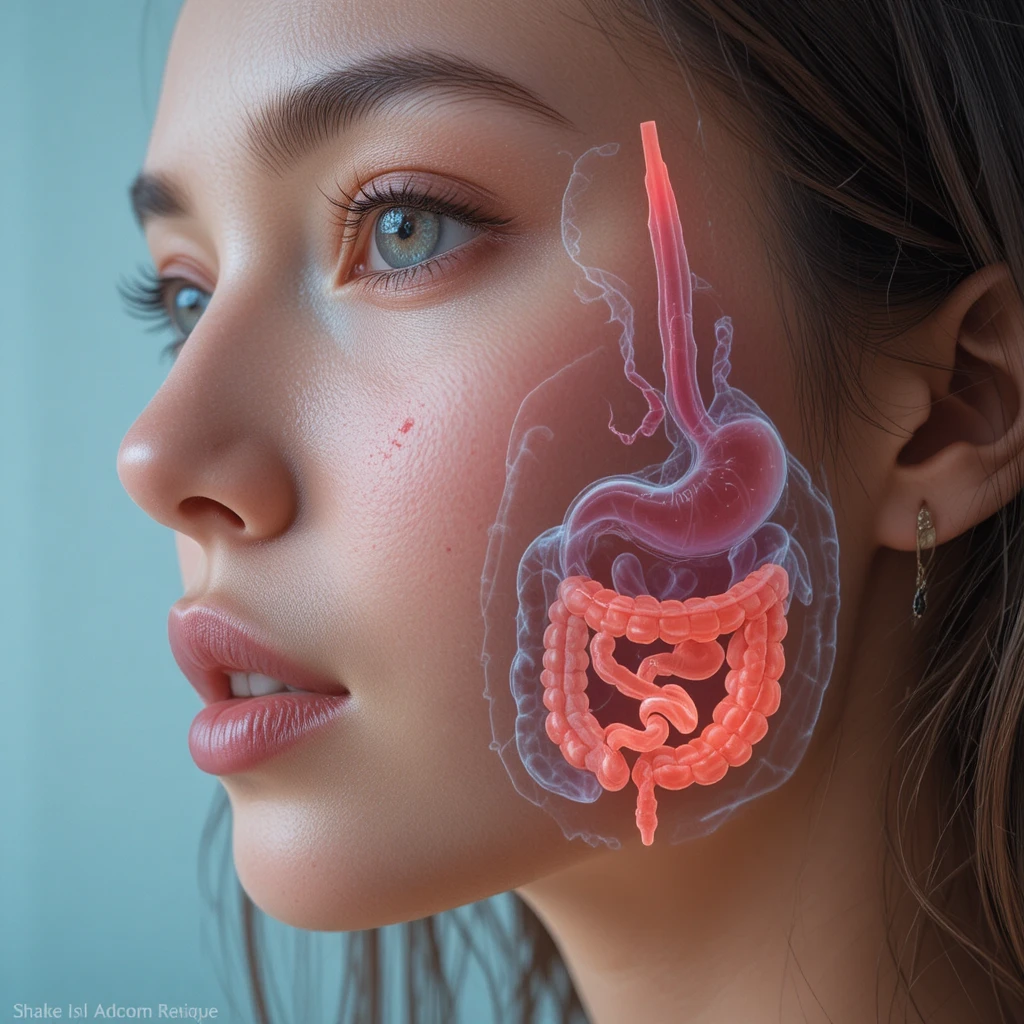
Welcome to the gut-skin axis — the two-way communication highway between your digestive system and your complexion. Research increasingly shows that what’s happening inside your body, especially your gut, can have a major impact on your skin. When that inner ecosystem is out of balance, it doesn’t stay quiet. It shows up on your face. Peak Skin Center
The good news? This isn’t about extreme diets or expensive supplements. It’s about small, sustainable shifts that work with your body instead of against it. Below are 16 practical, science-informed tips to help you nurture your gut — and, in turn, your glow.
What Is the Gut-Skin Axis, Exactly?

Before diving into the tips, let’s make sense of the connection.
The gut-skin axis describes the two-way connection between the digestive system and the skin — a healthy gut supports skin integrity, hydration, and protection, while digestive disruptions can trigger inflammation that shows up on the skin. When your gut microbiome — the trillions of bacteria living in your digestive tract — falls out of balance (a state called dysbiosis), it can trigger inflammation that travels through your bloodstream and lands squarely on your skin. United Digestive
An imbalance in the gut microbiome can influence inflammatory responses and contribute to skin conditions such as acne, eczema, and rosacea. In other words: that stubborn jawline breakout or persistent patch of eczema may have started long before it ever reached the surface. Sheikh Shakhbout Medical City
Save this stat for later: your gut and your skin are in constant conversation — and everything you eat, drink, and how you manage stress is part of that dialogue.
1. Start Feeding Your Gut Bacteria, Not Just Yourself
Your gut microbes need fuel too — and their favorite food is fiber. High-fiber foods ferment in the colon and produce short-chain fatty acids (SCFAs), compounds that help regulate inflammation and support skin barrier function. Load up on leafy greens, oats, lentils, berries, and legumes throughout the day rather than saving all your fiber for one meal. Gut Microbiota for Health
Reed also: Gut Health and Skin Connection19 Beauty Habits for Clear Skin Daily (That Actually Work)
2. Add Fermented Foods to Your Daily Plate
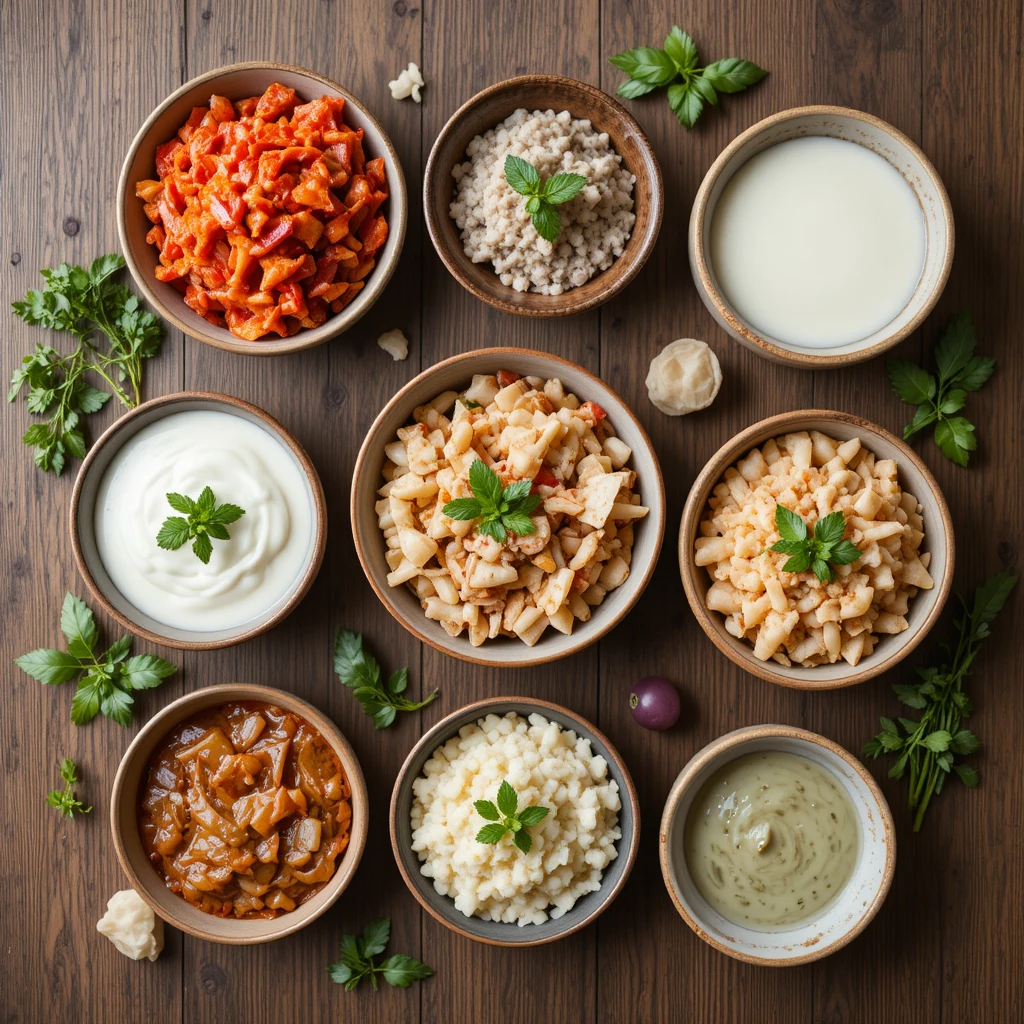
Fermented foods are the fastest, most delicious way to introduce beneficial bacteria into your system. Yogurt, kefir, kimchi, sauerkraut, miso, and other fermented foods introduce beneficial bacteria into your gut. A spoonful of kimchi with dinner or a small glass of kefir in the morning can make a real difference over time. Peak Skin Center
3. Don’t Forget the Prebiotics

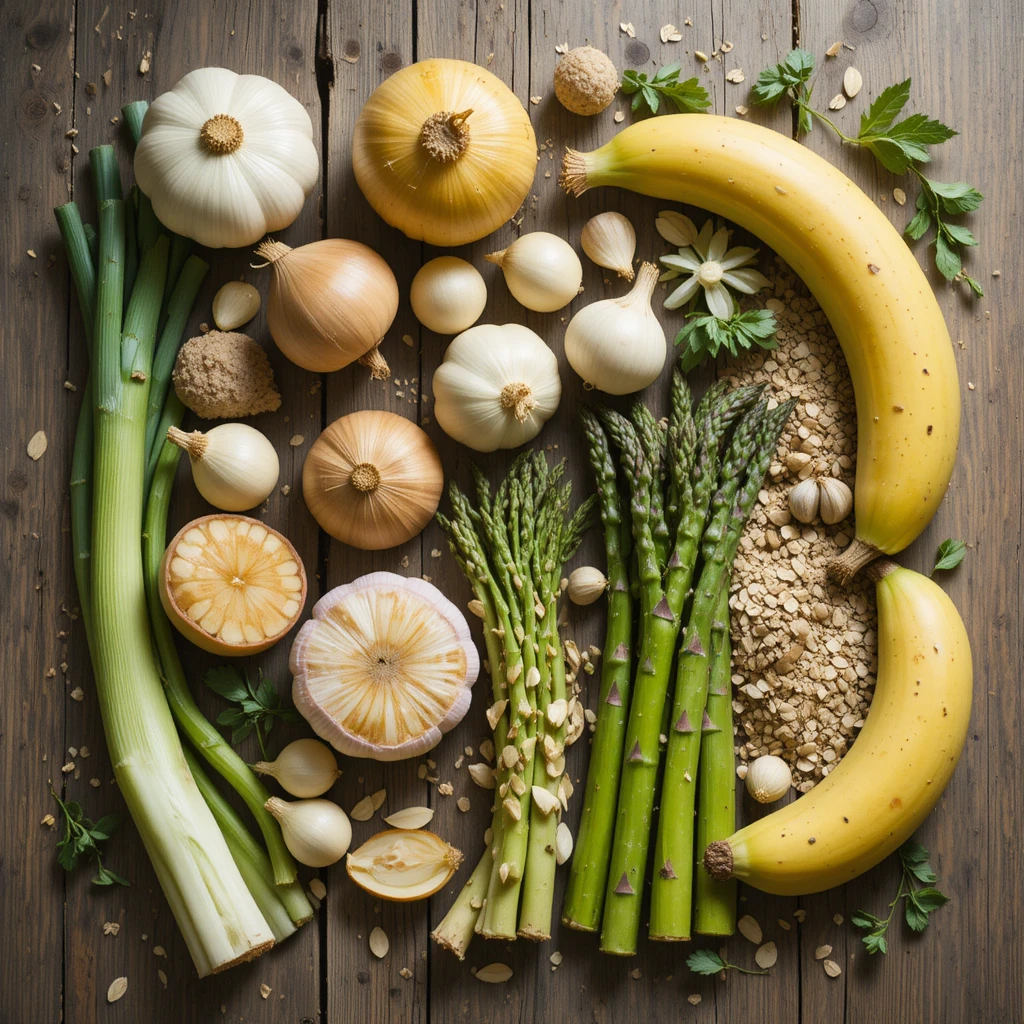
Probiotics get all the attention, but prebiotics are just as essential — they’re the food that keeps your good bacteria alive and thriving. Prebiotics, found in foods like bananas, onions, and oats, support the growth of beneficial bacteria. Think of probiotics as the seeds and prebiotics as the soil — you need both for anything to grow. Sheikh Shakhbout Medical City
4. Cut Back on Added Sugar (Even the “Healthy” Kind)

That sluggish, puffy, breakout-prone feeling after a sugary weekend isn’t a coincidence. Excess sugar and processed foods can encourage the growth of harmful bacteria and contribute to inflammation. You don’t need to swear off dessert forever — just notice the pattern between sugar-heavy days and skin flare-ups, and dial it back gradually. Sheikh Shakhbout Medical City
5. Rethink Ultra-Processed Foods

Reducing processed foods and added sugars can help minimize gut irritation and prevent inflammatory skin responses. Swapping packaged snacks for whole-food alternatives — think roasted chickpeas instead of chips, fruit instead of candy — supports your microbiome without requiring a total lifestyle overhaul. United Digestive
6. Hydrate Like It’s Part of Your Skincare Routine (Because It Is)

Water isn’t just a wellness cliché. Proper hydration helps flush toxins, supports nutrient transport, and keeps skin cells hydrated, which can reduce dryness, irritation, and premature aging. If plain water bores you, infuse it with cucumber, mint, or citrus to make it a habit that sticks. United Digestive
7. Get Serious About Sleep

Your gut and skin both do their repair work overnight. Quality sleep is crucial for tissue repair and immune regulation. Poor sleep disrupts the gut microbiome and shows up the next morning as dullness, puffiness, or an unexpected breakout. Aim for a consistent sleep schedule rather than chasing an occasional “perfect” night. United Digestive
8. Manage Stress Like It’s a Skincare Step

This one surprises people the most. Chronic stress has a negative impact on both the gut and skin — it can alter gut motility, reduce microbial diversity, and trigger inflammatory responses. Ten minutes of journaling, a short walk, or a breathing exercise before bed isn’t fluff — it’s a legitimate skin-health strategy. United Digestive
Quotable moment: Stress doesn’t just live in your head — it shows up on your face.
9. Watch for Food-Triggered Flare-Ups

Food-related flare-ups where specific meals — especially those rich in sugar, dairy, or processed ingredients — seem to precede breakouts or redness are a common sign of a gut-skin connection. Keeping a simple food-and-skin journal for two weeks can reveal patterns you’d never catch otherwise. Global Wellness Institute
10. Support Your Gut Barrier, Not Just Your Skin Barrier
We obsess over “skin barrier repair,” but your gut has a barrier too — and when it’s compromised, it’s called leaky gut. A compromised gut lining can allow toxins or partially digested food particles to enter the bloodstream, which may provoke immune responses that affect the skin. Bone broth, glutamine-rich foods, and reducing alcohol intake are simple ways to support gut lining integrity. Global Wellness Institute
11. Prioritize Nutrients Your Skin Can’t Make Itself
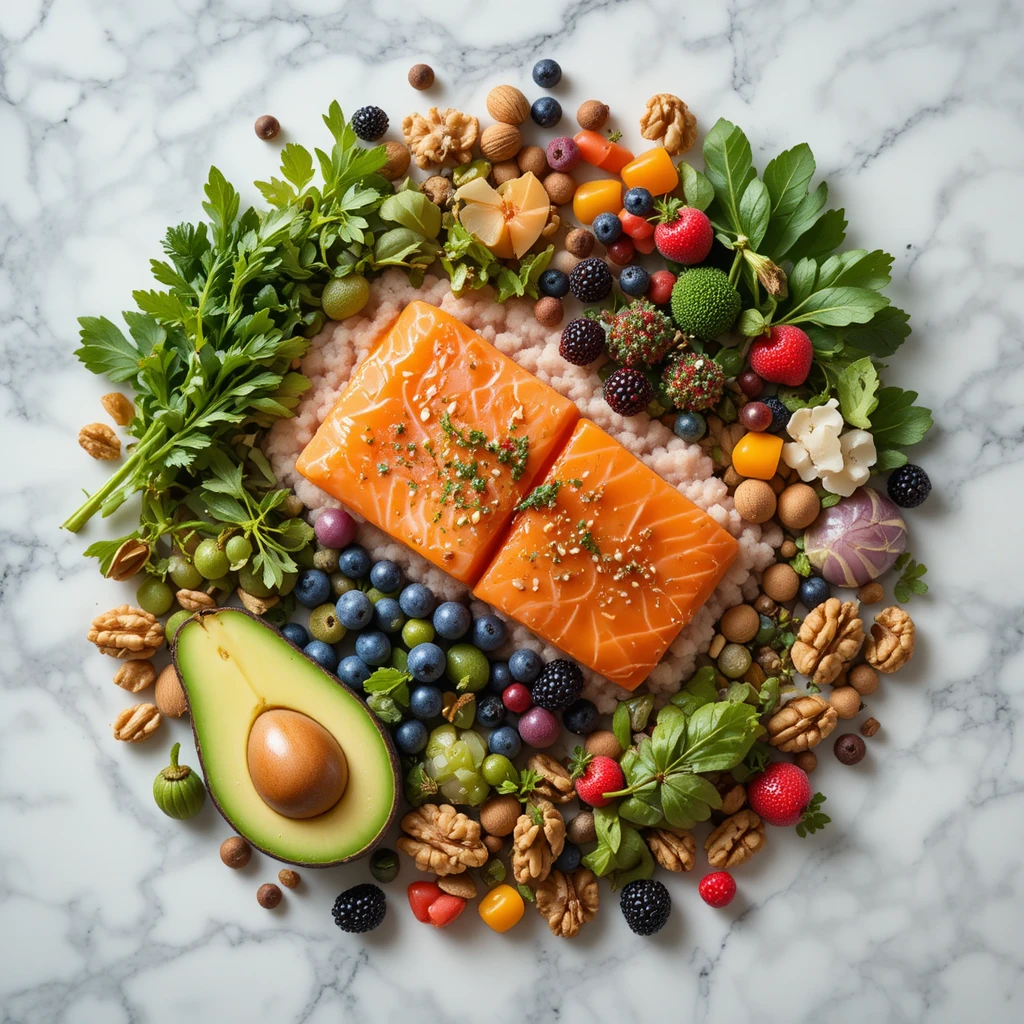
A healthy gut ensures vitamins and minerals like zinc, vitamin A, and vitamin C reach the bloodstream to support skin health, including collagen production and skin repair. If your gut isn’t absorbing well, even the most nutrient-dense diet won’t reach your skin. Pairing fat-soluble vitamins (A, E) with healthy fats improves absorption. United Digestive
12. Don’t Overdo Antibiotics or Harsh Cleansers

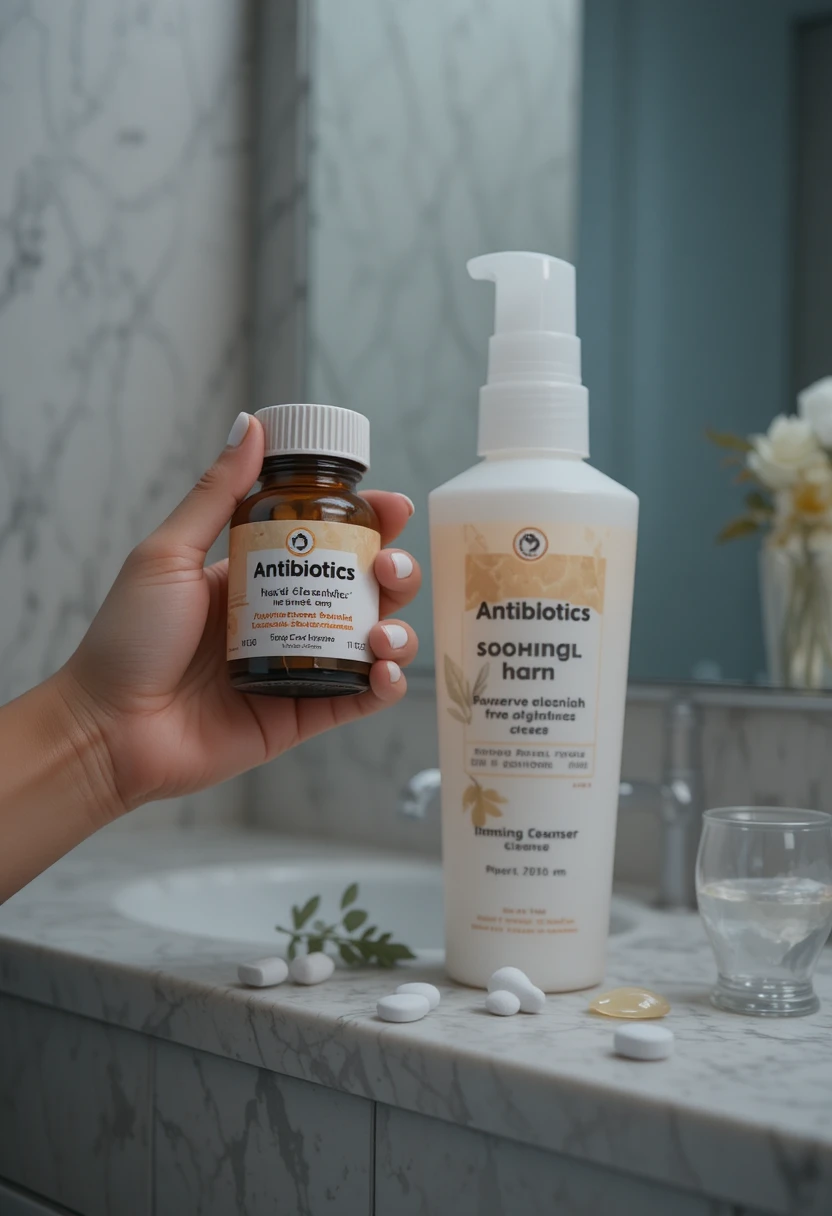
Oral antibiotics have been shown to have a greater impact on skin diseases than topical antibiotics — a reminder that what disrupts your gut can just as easily disrupt your skin. When antibiotics are medically necessary, pairing them with probiotic support (with a doctor’s guidance) can help protect your microbiome. Gut Microbiota for Health
13. Go Easy on Your Skin’s Own Microbiome Too

The gut-skin axis runs both ways. Frequent washing with harsh soaps can disrupt the skin’s natural microbiome, stripping away beneficial oils and microbes. Choose gentle, pH-balanced cleansers and resist the urge to over-exfoliate — your skin has its own ecosystem worth protecting. Gut Microbiota for Health
14. Consider a Quality Probiotic Supplement

If your diet alone isn’t cutting it, high-quality probiotic supplements can help maintain gut balance and, over time, support clearer, calmer skin. Look for multi-strain formulas and give them at least 6–8 weeks before judging results — gut changes take time to show up on the surface. Camelback Derm
15. Move Your Body Daily
Exercise supports microbial diversity and helps regulate the inflammatory pathways connected to both digestion and skin clarity. Even a brisk 20-minute walk supports gut motility, reduces stress hormones, and indirectly benefits skin tone and texture.
16. Be Patient — Skin Reflects Weeks, Not Days

Skin cells take roughly 28 or more days to fully turn over, and gut microbiome shifts take time too. Gut microbiome, gut barrier integrity, systemic inflammation, and skin conditions interact through complex, ongoing processes — meaning real improvement is a slow build, not an overnight fix. Track your skin monthly, not daily, to see true progress. Journal of Skin and Sexually Transmitted Diseases
Signs Your Skin Issues Might Actually Be a Gut Issue

Not sure if your skin drama is gut-related? Watch for these patterns:
- Recurring breakouts particularly around the jawline or cheeks, which can sometimes indicate gut inflammation or imbalances in microbiota United Digestive
- Skin flare-ups tied to digestive symptoms like bloating or irregularity
- Redness or unexplained rashes that can indicate immune responses originating in the gut United Digestive
- Dull, dry, or slow-healing skin, which may point to nutrient absorption issues
If several of these sound familiar, it may be time to look inward — literally — rather than reaching for another topical fix.
Frequently Asked Questions
Can gut health really cause acne?
Growing evidence says yes. The gut microbiota can lead to the development of acne through inflammatory and metabolic pathways, and disruptions in gut barrier function can contribute to underlying acne processes. Gut health isn’t the only factor in acne, but for many people it’s a meaningful piece of the puzzle. Journal of Skin and Sexually Transmitted Diseases
How long does it take to see skin improvements from gut health changes?
Most people notice initial shifts within 4–8 weeks of consistent dietary and lifestyle changes, though deeper skin conditions may take longer to visibly improve.
Do I need a probiotic supplement, or is diet enough?
For many people, a fiber-rich, fermented-food-forward diet is enough. Supplements can help fill gaps, especially after antibiotic use or during high-stress periods, but whole foods should be the foundation.
Is dairy really bad for skin?
It depends on the person. Some people notice a clear link between dairy and breakouts, especially with skim milk, while others tolerate it fine. A short elimination-and-reintroduction trial is the most reliable way to know your own trigger foods.
The Bottom Line
Your skin has been trying to tell you something all along — and it turns out the conversation starts in your gut. None of these 16 tips require perfection. Pick two or three that feel doable this week — maybe it’s adding kefir to breakfast and setting a earlier bedtime — and build from there. Real, lasting glow isn’t rushed. It’s grown, one gut-friendly habit at a time.