

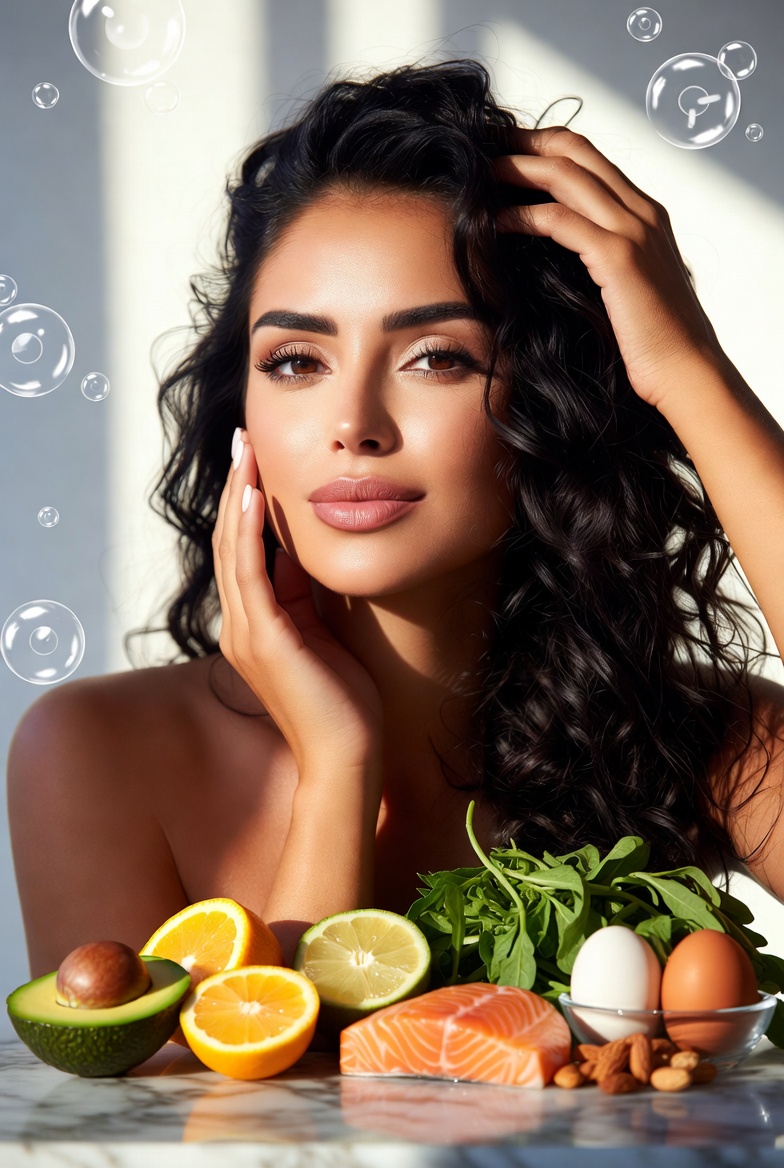
Ever notice how the first signs of a nutrient gap almost always show up on the outside? Flaky skin. Hair that suddenly won’t grow past your shoulders. Nails that peel like old paint. Before you blame your shampoo or your skincare routine, it’s worth asking a simpler question: is your body actually getting the vitamins it needs to build healthy skin, hair, and nails in the first place?
Your body is constantly making new skin cells, growing hair from follicles, and hardening keratin into nails. That process runs on nutrients — specifically, on all 13 vitamins your body needs and can’t produce on its own (except small amounts of D and K). Miss even one, and it shows.
This guide breaks down all 13 — not a random supplement-label mashup of vitamins and minerals, but the actual vitamins, one by one, with exactly what each one does for your skin, hair, and nails, and where to get it from food.
Why “Beauty From Within” Actually Works
Skincare products and hair treatments work on the surface. But skin cells regenerate roughly every 27 days, hair follicles cycle through growth phases for years, and nail plates take 3–6 months to fully regrow. All of that cellular turnover needs raw material — and vitamins are a huge part of that raw material.
The takeaway: no serum can fully compensate for what’s missing on your plate.
1. Vitamin A — The Cell-Renewal Vitamin

Vitamin A regulates how quickly your skin cells turn over, which is why it’s the active ingredient behind retinoids in nearly every anti-aging cream on the market. Beyond skin, it supports the oil glands that keep your scalp from drying out, which in turn keeps hair follicles nourished.
- Skin benefit: Speeds cell turnover, may reduce acne and support smoother texture.
- Hair/nail benefit: Supports sebum production for scalp health and follicle nourishment.
- Food sources: Sweet potatoes, carrots, spinach, eggs, liver.
Watch the dose: Vitamin A is fat-soluble, meaning it’s stored in your body — too much from supplements (not food) can be toxic, so food-first is the safer route here.
2. Vitamin C — The Collagen Vitamin
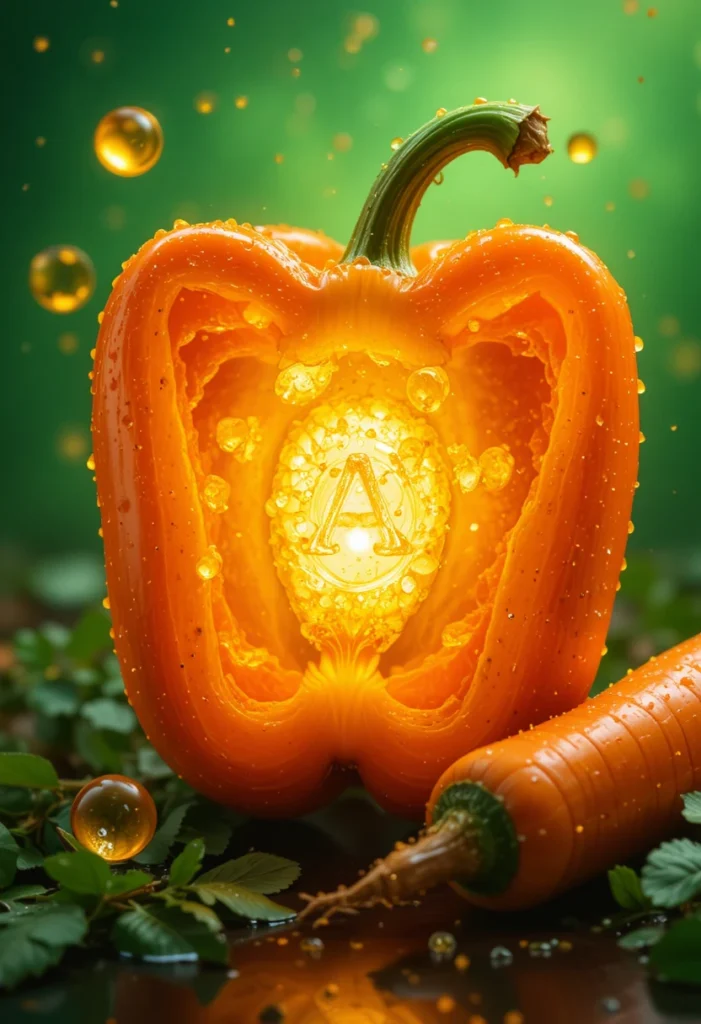
If there’s one vitamin that gets the most credit for “glow,” it’s this one. Vitamin C is required for your body to synthesize collagen — the structural protein that keeps skin firm, elastic, and less prone to sagging.
- Skin benefit: Builds collagen, brightens tone, and neutralizes free radical damage from sun and pollution.
- Hair/nail benefit: Supports collagen structure in the nail bed and helps with iron absorption, which indirectly supports hair growth.
- Food sources: Citrus fruits, bell peppers, strawberries, broccoli, kiwi.
Save-worthy tip: Pairing a vitamin C-rich food with an iron-rich food (like spinach and orange slices) boosts iron absorption — good news for hair that’s thinning from low iron.
3. Vitamin D — The Follicle Vitamin
Vitamin D helps create new hair follicles and can also stimulate existing ones out of the resting phase. Low vitamin D levels have repeatedly been linked to hair shedding and slower regrowth.
- Skin benefit: Supports the skin barrier and calms inflammatory skin conditions.
- Hair/nail benefit: Activates hair follicles and may help regulate hair growth cycles.
- Food sources: Fatty fish, egg yolks, fortified milk, and sunlight exposure on skin.
4. Vitamin E — The Protective Antioxidant

Vitamin E works as an antioxidant that shields skin cells from oxidative stress caused by UV rays and pollution. It’s also a common ingredient in hair oils because of its ability to support scalp circulation.
- Skin benefit: Protects against sun and environmental damage, supports moisture retention.
- Hair/nail benefit: May improve scalp circulation, supporting stronger hair growth over time.
- Food sources: Almonds, sunflower seeds, avocado, spinach.
Read Also: Beautista Glow
5. Vitamin K — The Overlooked One
Vitamin K rarely makes it onto beauty vitamin lists, but it plays a quiet, important role: supporting proper blood clotting (which affects how quickly skin heals from cuts or blemishes) and possibly helping reduce the appearance of dark circles and bruising.
- Skin benefit: Supports healing and may reduce visible bruising or discoloration.
- Food sources: Leafy greens like kale, spinach, and broccoli.
6. Vitamin B1 (Thiamine) — The Energy Starter
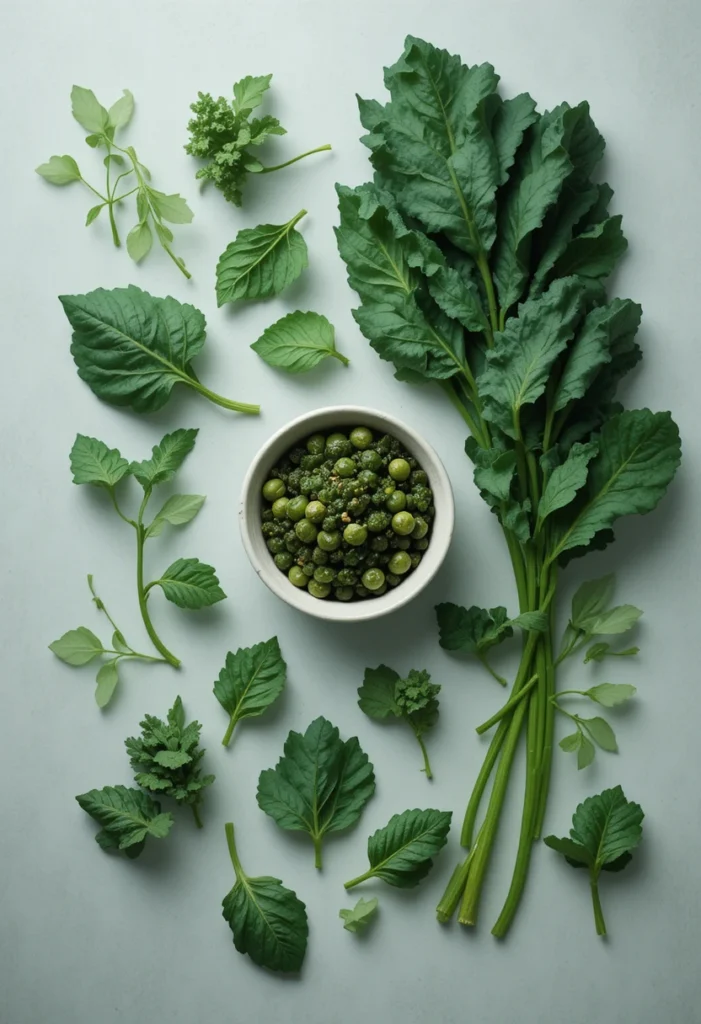
Thiamine helps convert the food you eat into usable cellular energy — energy your skin cells and hair follicles need to keep dividing and regenerating.
- Skin benefit: Supports overall cell metabolism and vitality.
- Food sources: Whole grains, pork, legumes, sunflower seeds.
7. Vitamin B2 (Riboflavin) — The Repair Vitamin

Riboflavin is directly involved in tissue repair and regeneration, and a deficiency is one of the more overlooked causes of dry, cracked skin at the corners of the mouth and dull complexion.
- Skin benefit: Aids tissue repair and helps maintain glowing, even-toned skin.
- Food sources: Eggs, almonds, lean meats, dairy, leafy greens.
8. Vitamin B3 (Niacin) — The Circulation Booster
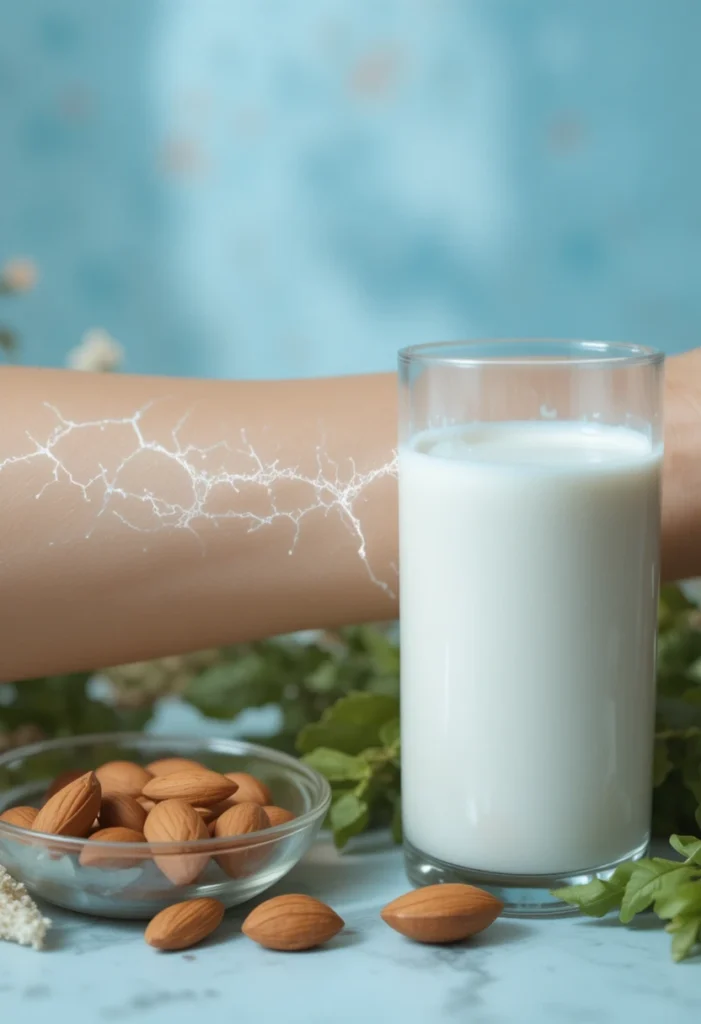
Niacin supports healthy blood circulation, which means more oxygen and nutrients reaching your scalp and skin cells. Better circulation is directly tied to a healthier complexion and reduced signs of premature aging.
- Skin benefit: Promotes blood circulation, which is crucial for maintaining a healthy complexion and reducing signs of aging. Wellvalens
- Food sources: Chicken, tuna, peanuts, brown rice.
9. Vitamin B5 (Pantothenic Acid) — The Hydration Vitamin
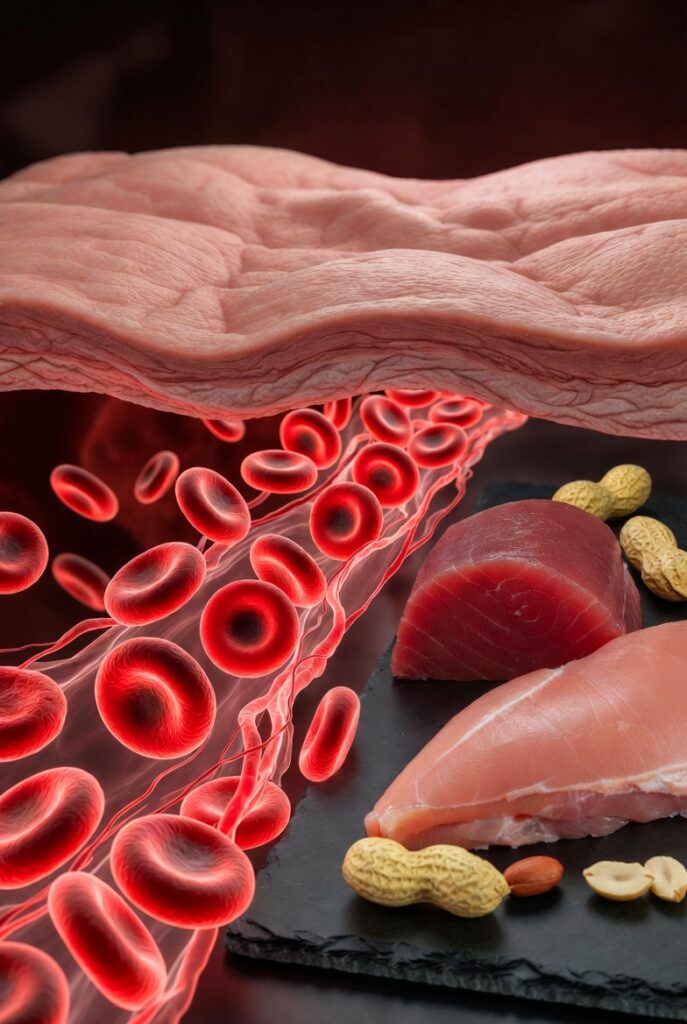
This is one of the most underrated vitamins on this list. Vitamin B5, aka pantothenol, can hydrate and smooth your hair and skin and may even help support longer, thicker-looking hair. It’s why you’ll see “panthenol” (its derivative) listed on the back of nearly every moisturizer and conditioner bottle. Cleveland Clinic
- Skin benefit: Works as a humectant and emollient, attracting and retaining water to moisturize the skin. Glamazle
- Hair/nail benefit: Can help restructure the hair fiber by filling in the hair scales, and supports the health of nails and skin cells alike. ARGALYS
- Food sources: Mushrooms, avocado, eggs, sweet potatoes, whole grains.
Pinnable takeaway: “If your skincare label lists panthenol, you’re already using B5 — your diet should back it up too.”
10. Vitamin B6 (Pyridoxine) — The Oil-Balancing Vitamin
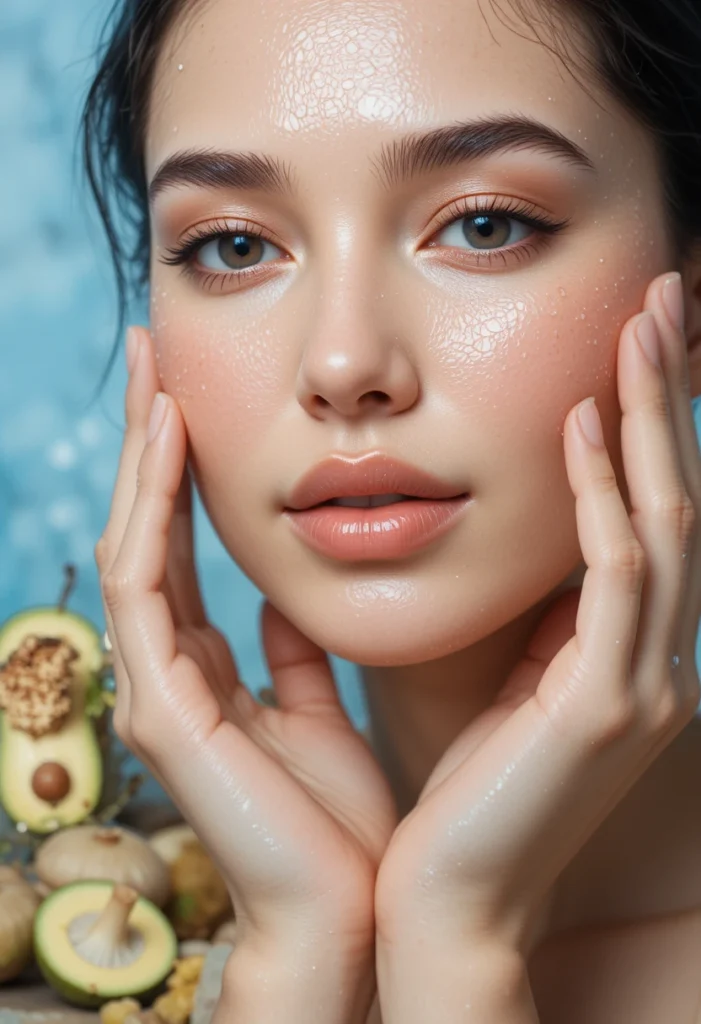
B6 helps regulate hormone activity, which directly affects how much oil (sebum) your skin and scalp produce. It helps reduce acne outbreaks by regulating oil production, preventing excessive oiliness and blocked pores, and encouraging a smoother complexion. Longevity.Technology
- Skin benefit: Balances oil production, may help reduce breakouts.
- Hair/nail benefit: Supports a balanced scalp environment, reducing excess oiliness or dryness.
- Food sources: Chickpeas, salmon, potatoes, bananas.
11. Vitamin B7 (Biotin) — The Keratin Vitamin
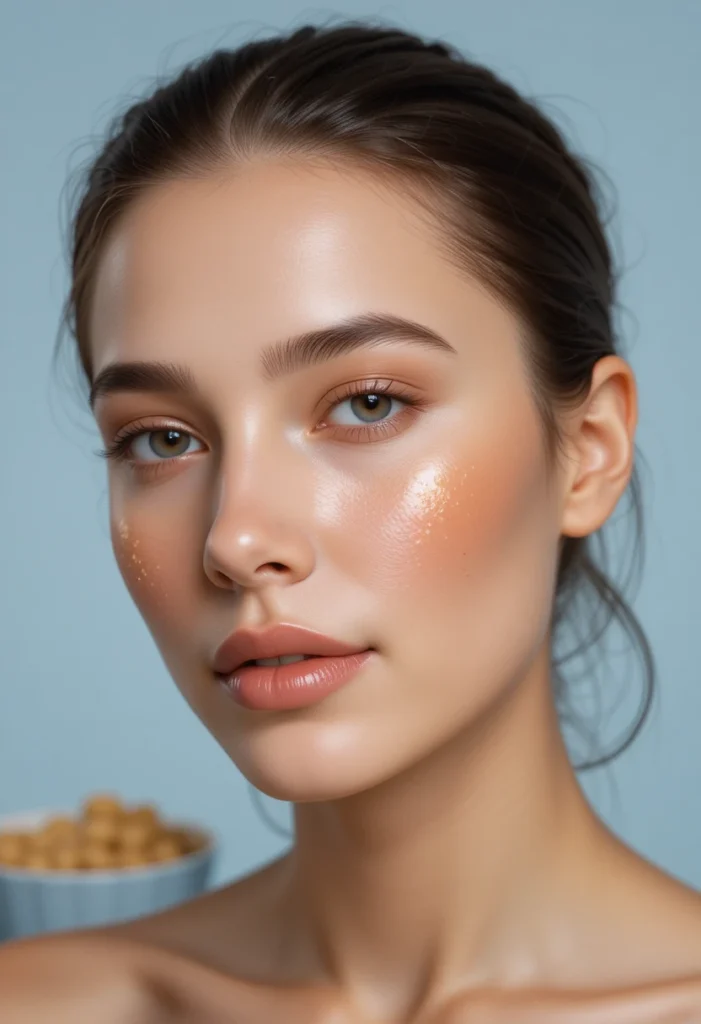
Biotin is the vitamin most people already associate with hair, skin, and nail supplements — and for good reason. This micronutrient helps produce keratin, which promotes strong hair and nails. Since it’s water-soluble, it isn’t stored in the body, meaning consistent daily intake matters more than a single high dose. Natural Healthy Concepts
- Skin benefit: Supports overall skin health and barrier function.
- Hair/nail benefit: Helps your body make proteins including keratin, the main structural protein in hair and nails; low biotin can show up as brittle nails or dry, thinning hair. GoodRx
- Food sources: Eggs, almonds, sweet potatoes, salmon.
12. Vitamin B9 (Folate) — The Cell-Division Vitamin
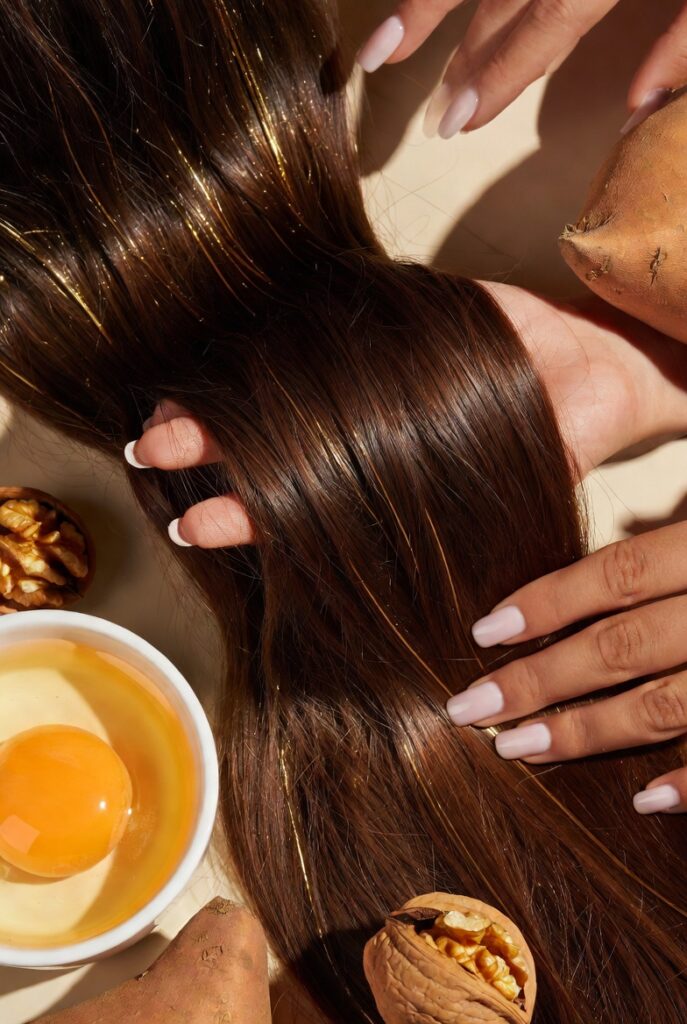
Folate is essential for DNA synthesis and repair — processes your body relies on constantly to divide and regenerate skin cells and grow new hair.
- Skin benefit: Aids the synthesis and repair of DNA needed for cell division and regeneration, facilitating healthy turnover of skin cells. Longevity.Technology
- Hair/nail benefit: Supports the growth of new, healthy hair and skin cells.
- Food sources: Lentils, leafy greens, asparagus, citrus fruits.
13. Vitamin B12 (Cobalamin) — The Red Blood Cell Vitamin
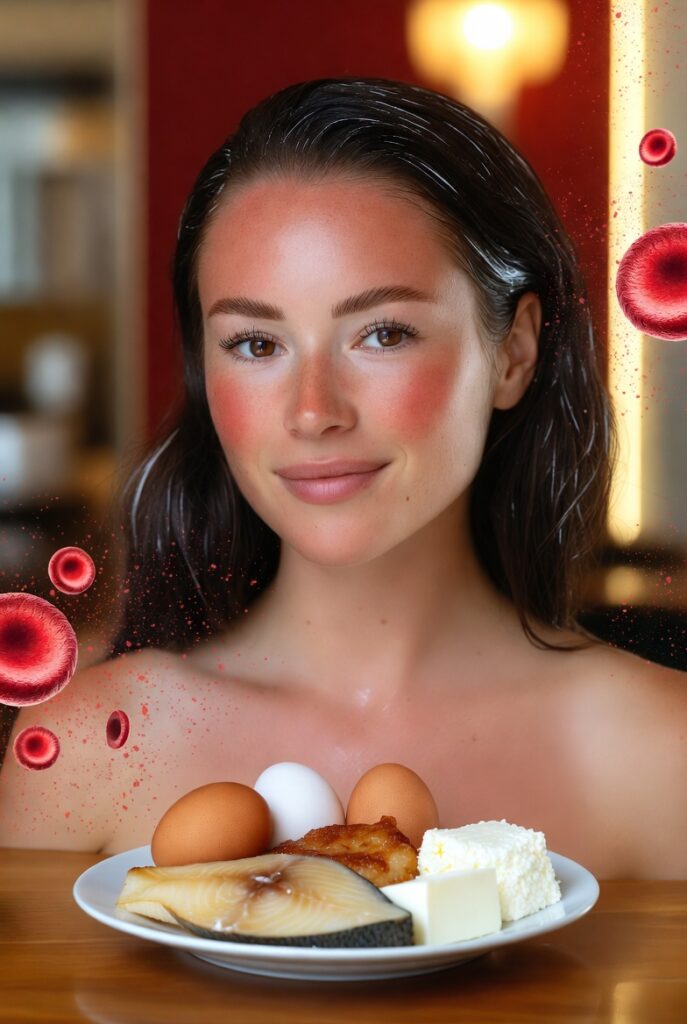
B12 helps your body produce healthy red blood cells, which carry oxygen to your scalp and skin. Without enough oxygen-rich blood reaching your follicles, hair growth slows and skin can look dull. Cobalamin also plays a critical role in the formation of melanin, the pigment responsible for hair color. Longevity.Technology
- Skin benefit: Supports oxygen delivery for a healthier, more vibrant complexion.
- Hair/nail benefit: Helps in the production of red blood cells, ensuring your skin remains vibrant and your hair strong. Wellvalens
- Food sources: Eggs, dairy, fish, and fortified foods (important for vegans/vegetarians to monitor).
Food First, Supplements Second
It’s tempting to reach straight for a “hair, skin, and nails” gummy — and a dietitian-reviewed roundup notes there’s limited evidence that taking targeted vitamins solely for hair, skin, or nails produces noticeable improvements for people who already have good health. That doesn’t mean supplements are useless — it means food should be your first strategy, with supplements reserved for confirmed deficiencies or restrictive diets. Healthline
Save-worthy callout: “You can’t out-supplement a diet that’s missing the basics. Fix the plate first.”
Signs You Might Be Low on These Vitamins
- Nails that split, peel, or grow slowly
- Hair shedding more than usual or looking dull
- Dry, flaky, or slow-healing skin
- Cracked corners of the mouth
- Noticeable fatigue alongside skin/hair changes
If several of these sound familiar, it’s worth talking to a healthcare provider before starting any supplement — a simple blood panel can confirm what you’re actually missing.
Frequently Asked Questions
Can I get all 13 vitamins from food alone?
Yes, for most healthy adults eating a varied, balanced diet. Restrictive diets, certain medical conditions, and pregnancy can increase the need for supplementation.
Which vitamin deficiency causes hair loss most often?
Vitamin D and B12 deficiencies are two of the most well-documented culprits, though biotin deficiency (though rare) is also linked to hair thinning.
Do biotin supplements actually work if I’m not deficient?
If you already get enough biotin from food, supplementation is unlikely to provide much extra benefit — it mainly helps in cases of an actual deficiency. GoodRx
How long does it take to see results from improving your vitamin intake?
Because skin cells, hair, and nails regenerate slowly, most people notice visible changes after 2–3 months of consistent, adequate intake — not overnight.
The Bottom Line
Glowing skin, strong nails, and thick hair aren’t the result of one miracle vitamin — they’re the outcome of all 13 vitamins working together, day after day, meal after meal. Start with your plate, watch for deficiency signs, and treat supplements as backup — not a shortcut.