

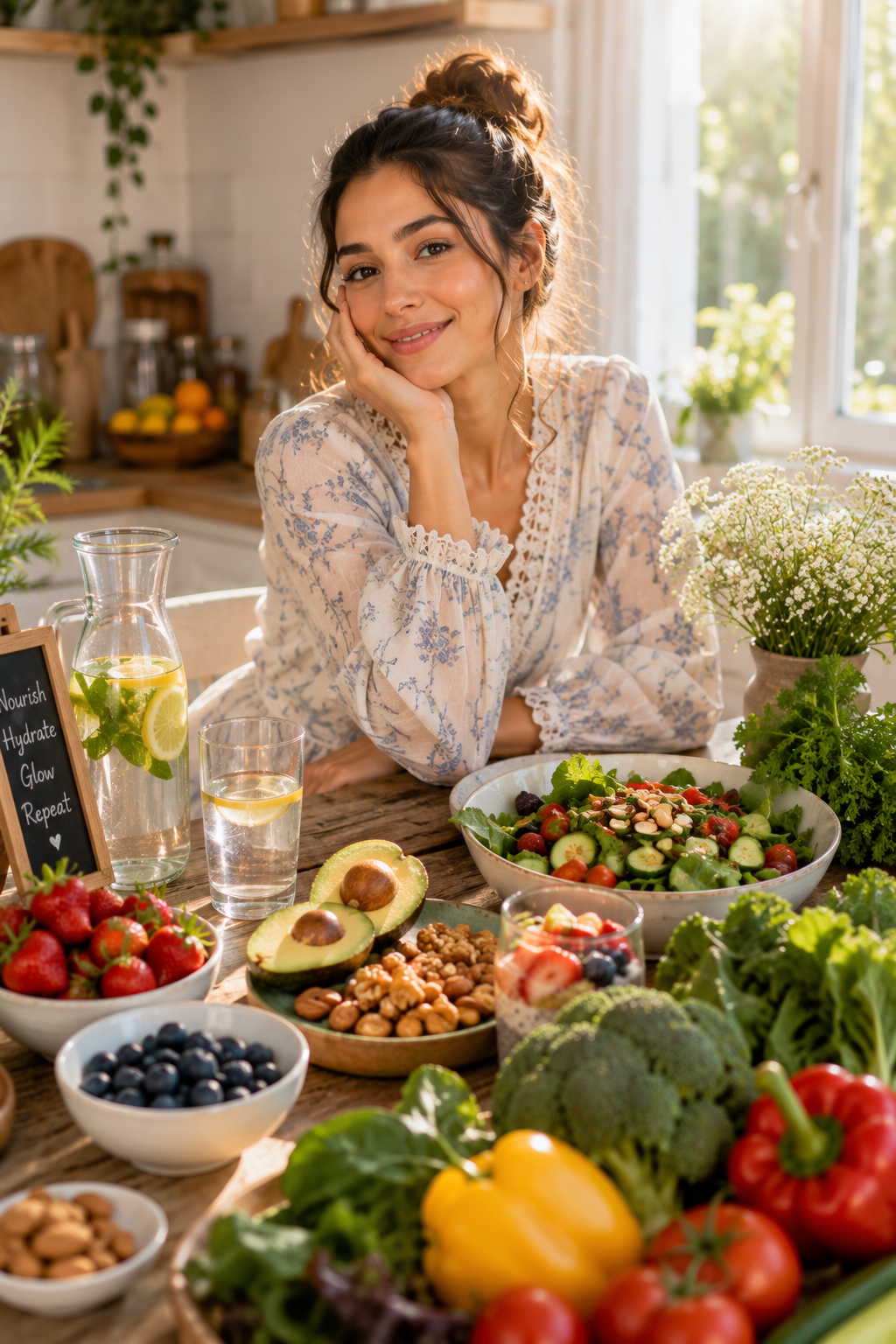
Glowing Skin Diet Ever notice how some people just seem to glow, even without a full face of makeup? It’s not always genetics or an expensive skincare cabinet. More often than not, it starts on their plate. Your skin is your body’s largest organ, and every single meal you eat either feeds it or starves it of what it needs to repair, hydrate, and shine.
If you’ve been layering on serums and moisturizers but still feel like your skin looks tired, dull, or uneven, the missing piece might not be sitting on your bathroom shelf. It might be sitting in your fridge.
This guide breaks down 19 foods for glowing skin diet that dermatologists, nutritionists, and skincare enthusiasts swear by plus exactly how to work them into your daily routine without overhauling your entire life. No fads, no extreme detoxes, just real food backed by real science.
Why Diet Matters More Than You Think for Skin Health

Skincare products work on the surface. Food works from the inside out, feeding the deeper layers of skin where collagen is built, cell turnover happens, and inflammation either gets fueled or calmed down.
A diet rich in antioxidants, healthy fats, vitamins, and hydration helps:
- Fight free radical damage from pollution, UV rays, and stress
- Support collagen production for firmness and elasticity
- Reduce inflammation linked to acne, redness, and premature aging
- Improve hydration at a cellular level, not just topically
- Balance the gut microbiome, which is directly tied to clearer, calmer skin
The 19 Best Foods for Glowing Skin
1. Avocados
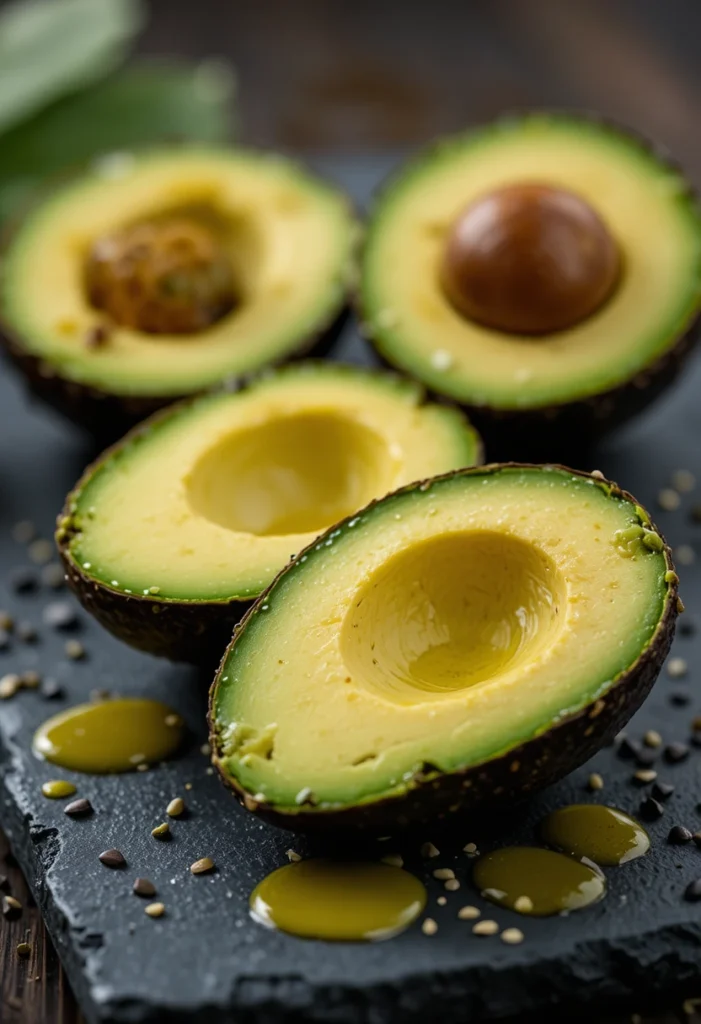
Avocados are loaded with healthy monounsaturated fats along with vitamins C and E, which work together to keep skin soft, hydrated, and protected from damage. The fats help your skin absorb fat-soluble vitamins more efficiently, while vitamin E supports the skin’s natural barrier.
Read also:17 Pinterest Beauty Aesthetic Ideas to Try in 2026 (Clean Girl & Beyond)
2. Tomatoes
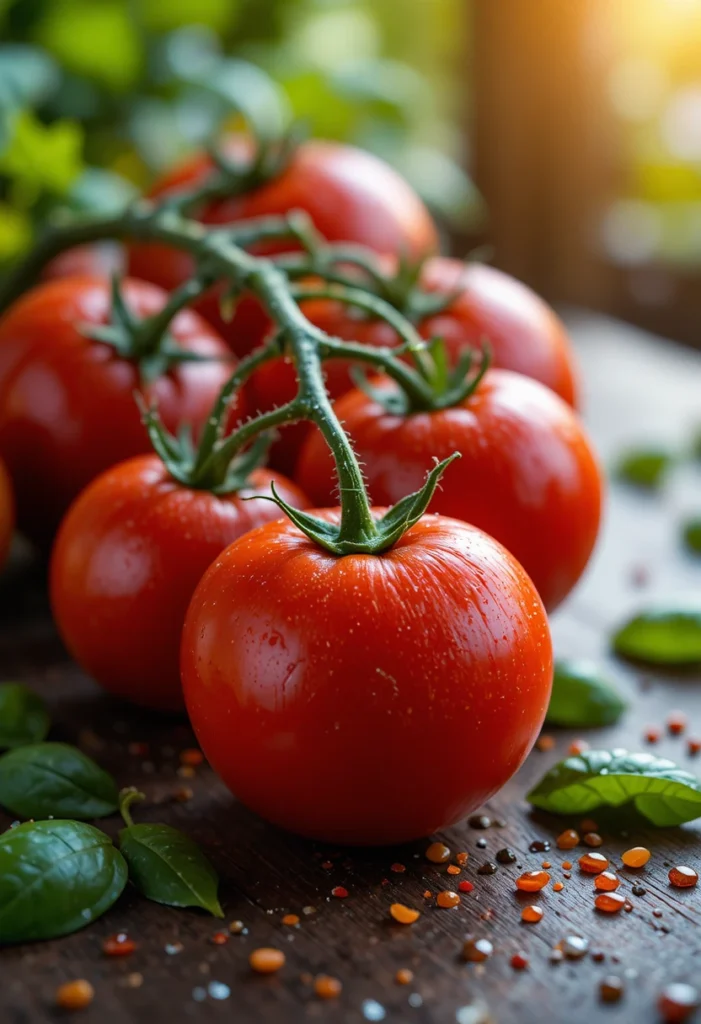
Tomatoes are rich in lycopene, a powerful antioxidant that helps shield skin from sun damage and may soften the appearance of fine lines over time. Cooked tomatoes actually release more lycopene than raw ones.
How to enjoy it: Add roasted or sauced tomatoes to pasta, soups, or shakshuka.
3. Carrots
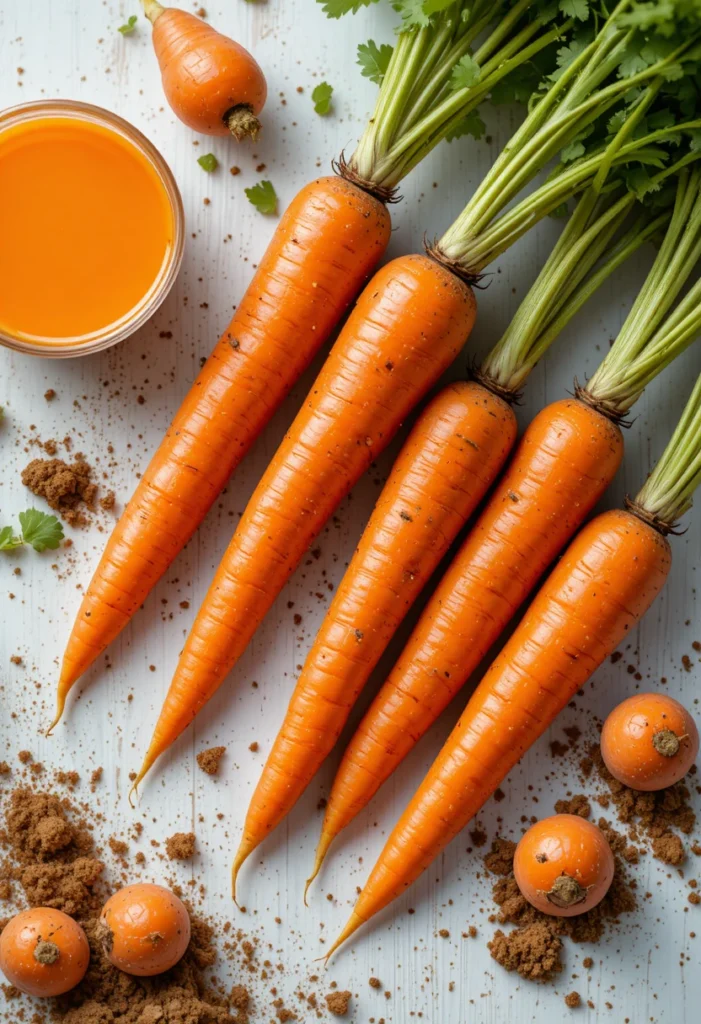
Carrots are packed with beta-carotene, which your body converts into vitamin A — a nutrient essential for healthy skin cell turnover and repair.
How to enjoy it: Snack on raw carrot sticks with hummus, or roast them with olive oil for a natural sweetness boost.
4. Sweet Potatoes
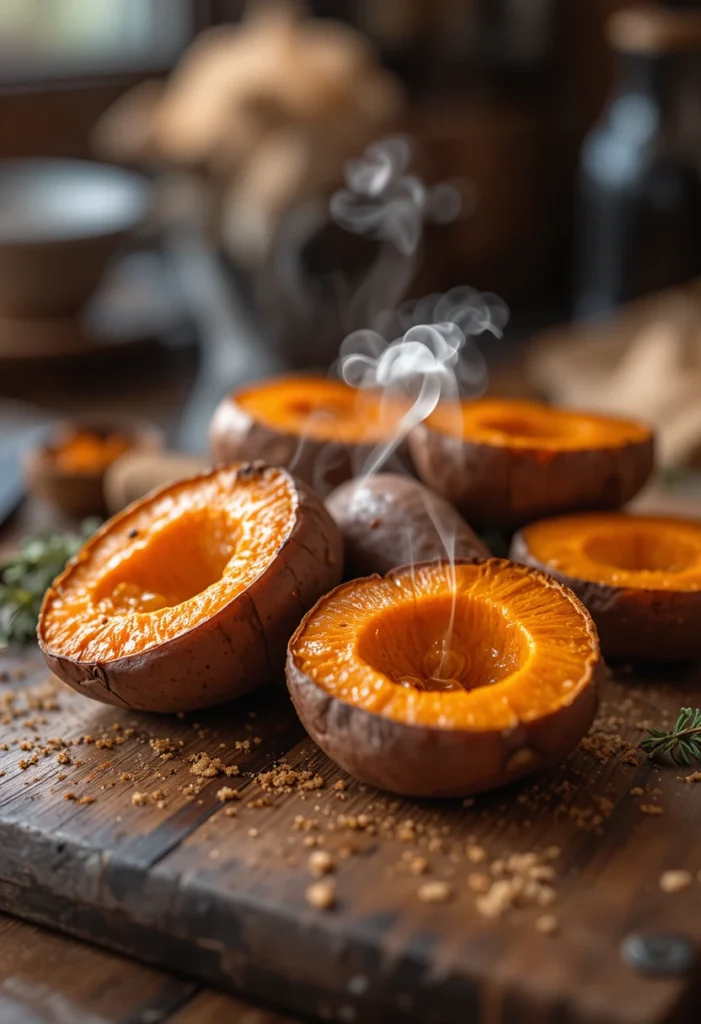
Like carrots, sweet potatoes are another beta-carotene powerhouse. They also provide fiber and vitamin C, supporting both digestion and collagen synthesis.
How to enjoy it: Bake and top with a drizzle of tahini or cinnamon for a skin-friendly side dish.
5. Citrus Fruits (Oranges, Lemons, Grapefruit)
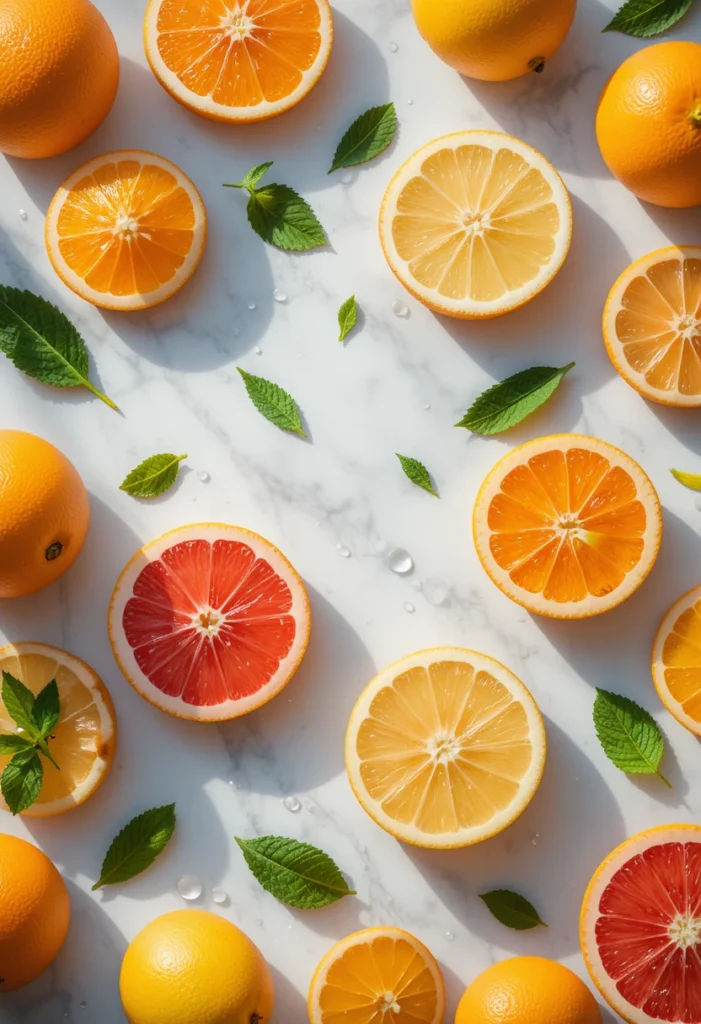
Citrus fruits are one of the richest natural sources of vitamin C, which is essential for collagen production the protein responsible for skin’s firmness and bounce.
How to enjoy it: Start your morning with warm lemon water or add orange segments to a salad.
6. Berries (Blueberries, Strawberries, Raspberries)
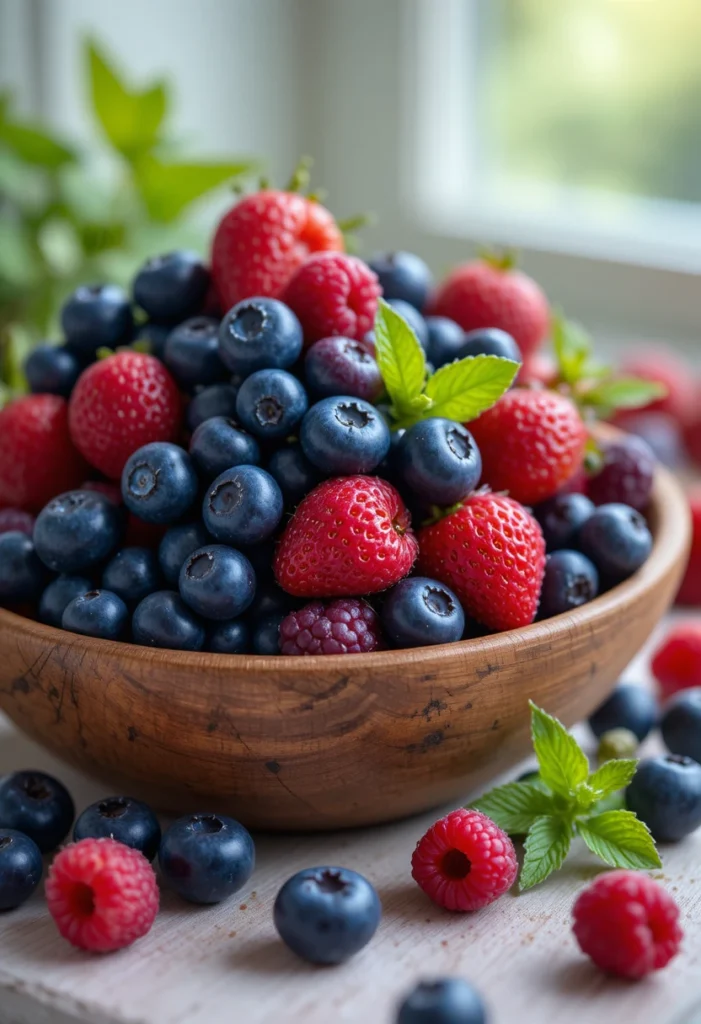
Berries are bursting with antioxidants that help defend skin cells against the kind of damage that speeds up visible aging. Blueberries in particular are known for their high antioxidant density.
How to enjoy it: Toss a handful into yogurt, oatmeal, or blend into a smoothie bowl.
7. Fatty Fish (Salmon, Mackerel, Sardines)
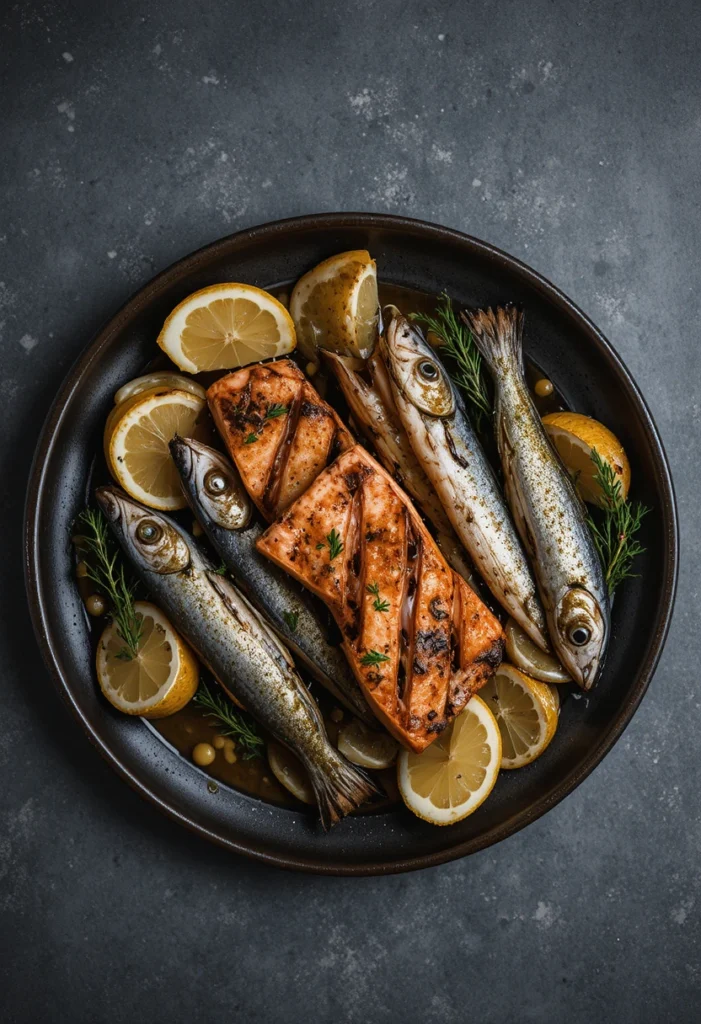
Fatty fish are rich in omega-3 fatty acids and vitamin E, both of which help strengthen the skin’s natural moisture barrier and reduce inflammation that can contribute to dullness and breakouts.
How to enjoy it: Add smoked salmon to eggs, or bake a fillet with lemon and herbs for dinner.
8. Walnuts
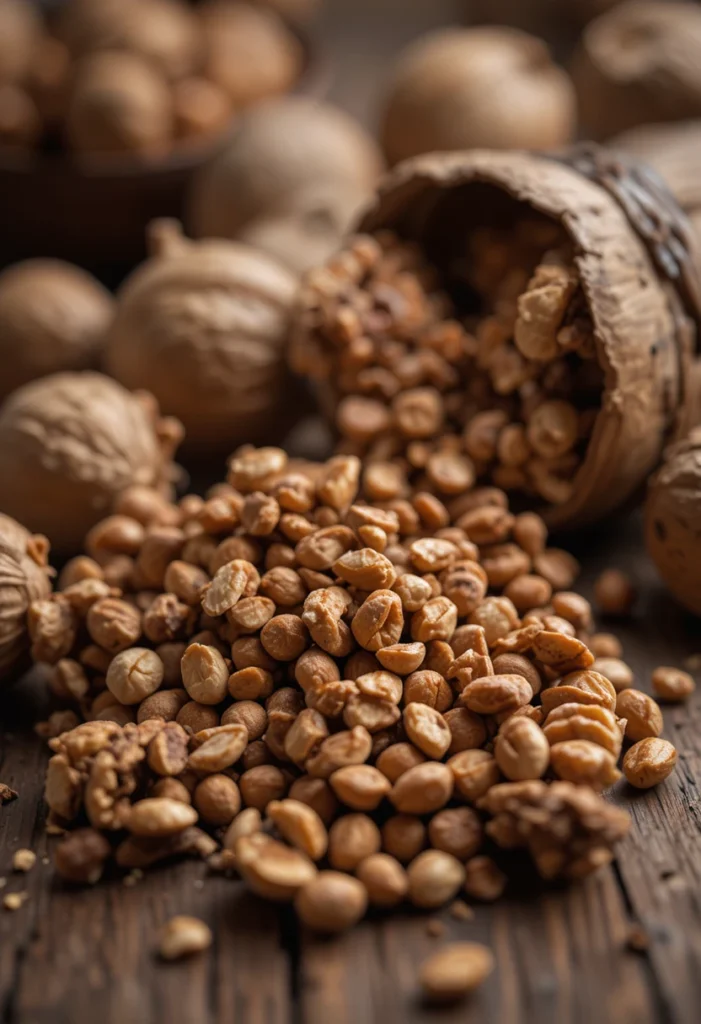
Walnuts contain omega-3 fats along with vitamin E, a combination that helps keep skin’s lipid barrier strong and may help reduce the appearance of fine lines caused by UV exposure over time.
How to enjoy it: Sprinkle over salads or oatmeal, or eat a small handful as a snack.
9. Pumpkin Seeds
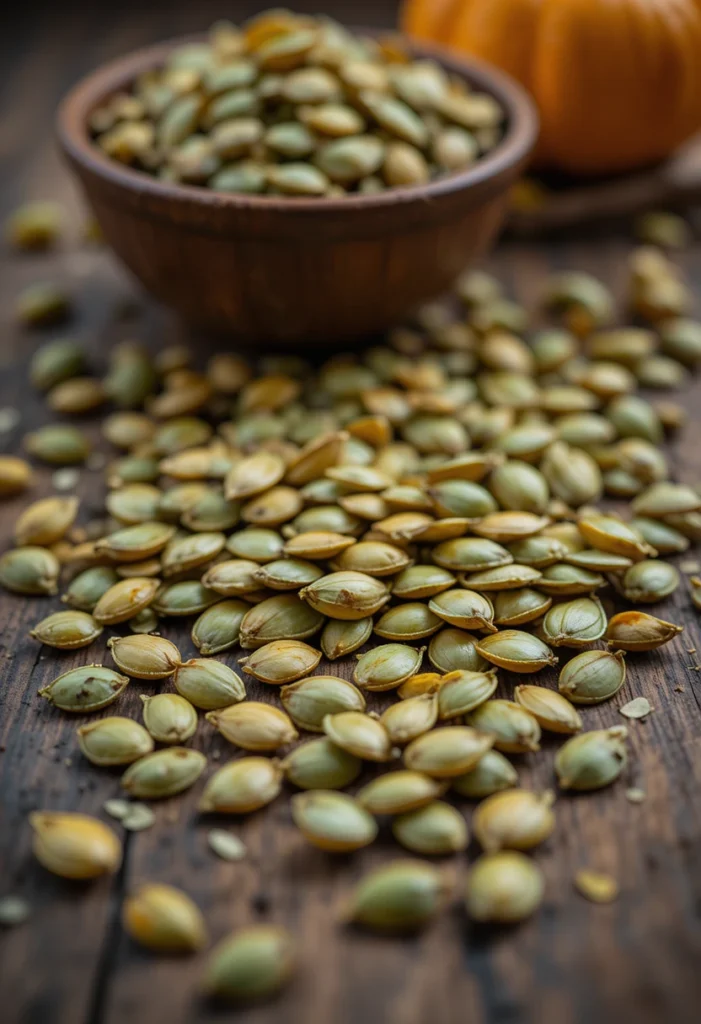
These little seeds are high in zinc, a mineral that plays a key role in skin healing and helps calm inflammation that can trigger breakouts.
How to enjoy it: Roast and toss them into salads, trail mix, or soups.
10. Spinach and Leafy Greens
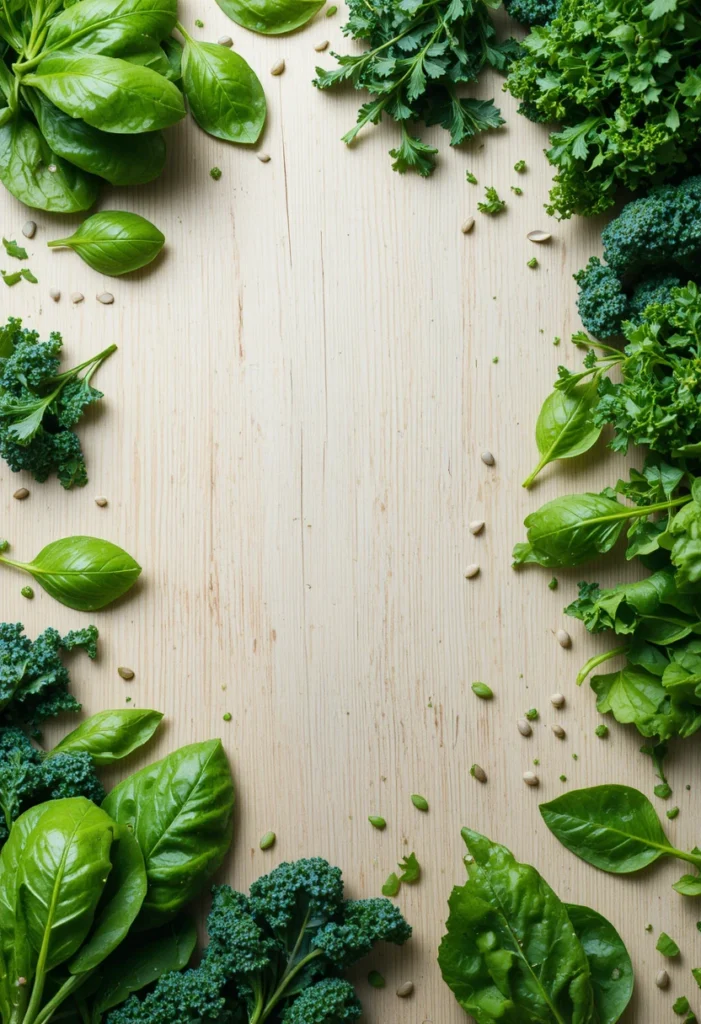
Leafy greens like spinach and kale are loaded with vitamin A, iron, and antioxidants that support healthy, even-toned skin and help promote cell renewal.
How to enjoy it: Blend into smoothies (you won’t taste it) or sauté with garlic as a simple side.
11. Bell Peppers
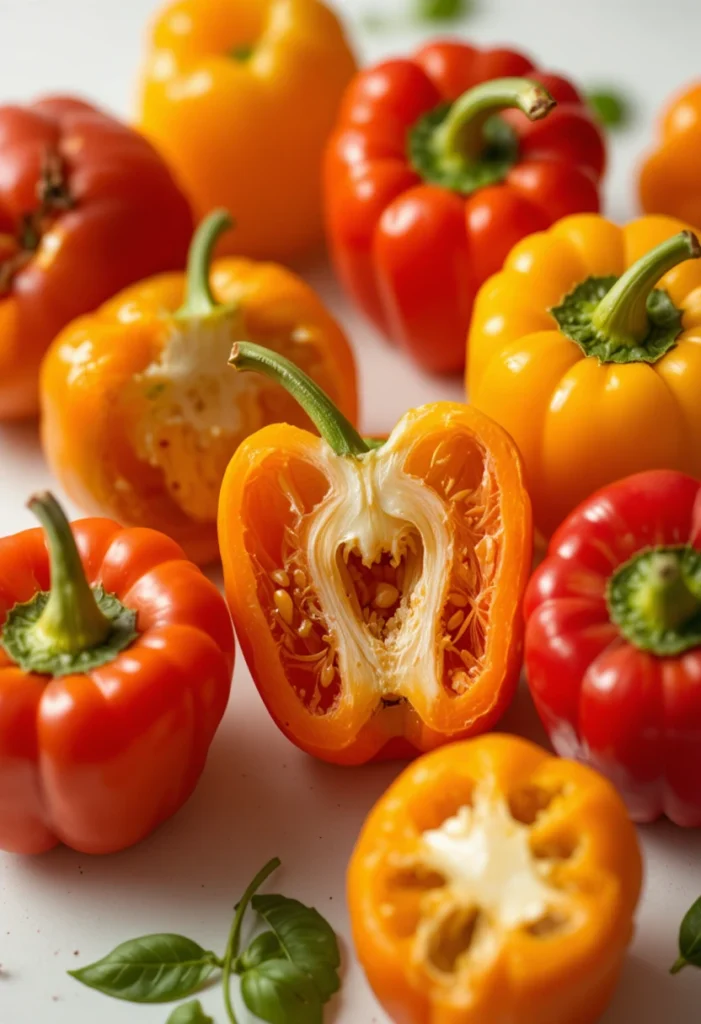
Regardless of color, bell peppers are rich in carotenoids and vitamin C, nutrients that may help reduce skin’s sensitivity to sun exposure and support collagen health. (Sunscreen is still non-negotiable, though!)
How to enjoy it: Slice raw for snacking or roast for extra sweetness in wraps and stir-fries.
12. Papaya
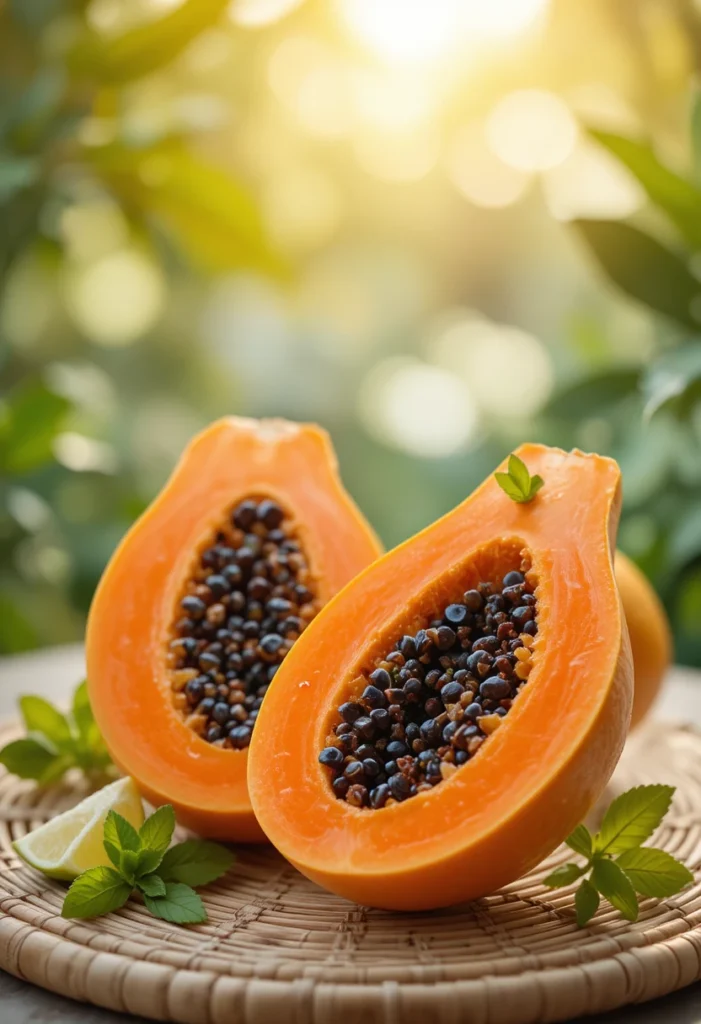
Papaya is rich in vitamin C and enzymes like papain, which may support gentle exfoliation and skin renewal from within.
How to enjoy it: Eat it fresh and chilled, or blend into a tropical smoothie.
13. Soy Foods (Edamame, Tofu, Soy Milk)
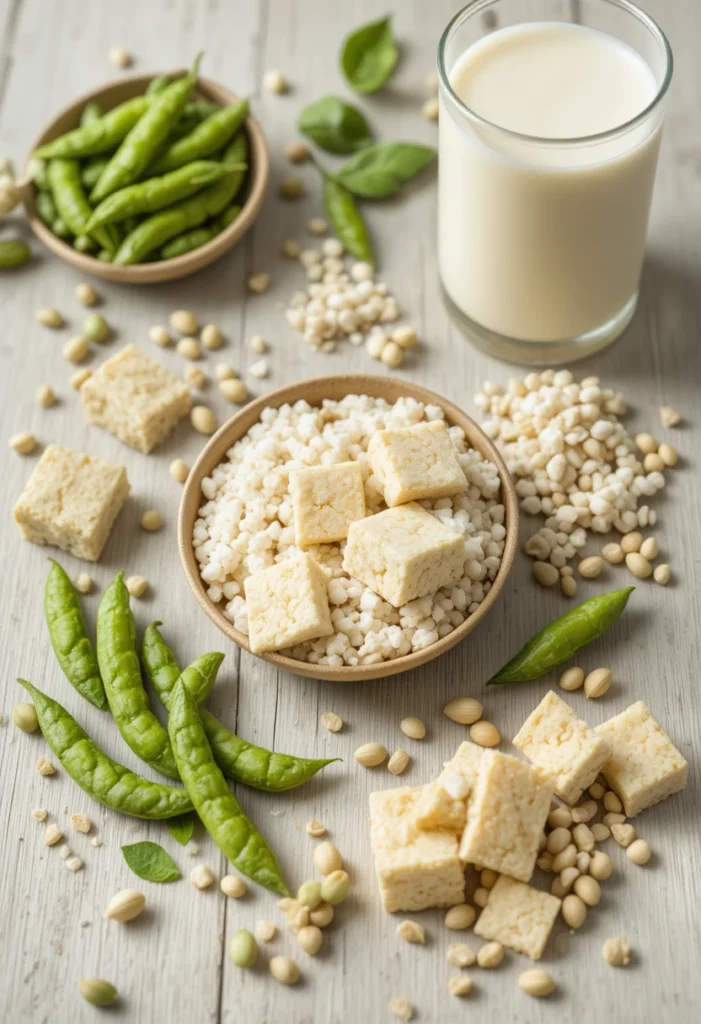
Emerging research suggests that soy isoflavones may help improve skin hydration and reduce the appearance of fine lines, particularly in postmenopausal women. Even outside of that context, soy is a great plant-based protein source that supports skin repair.
How to enjoy it: Snack on steamed edamame, add tofu to stir-fries, or swap in soy milk for your morning coffee.
14. Greek Yogurt and Probiotic Foods
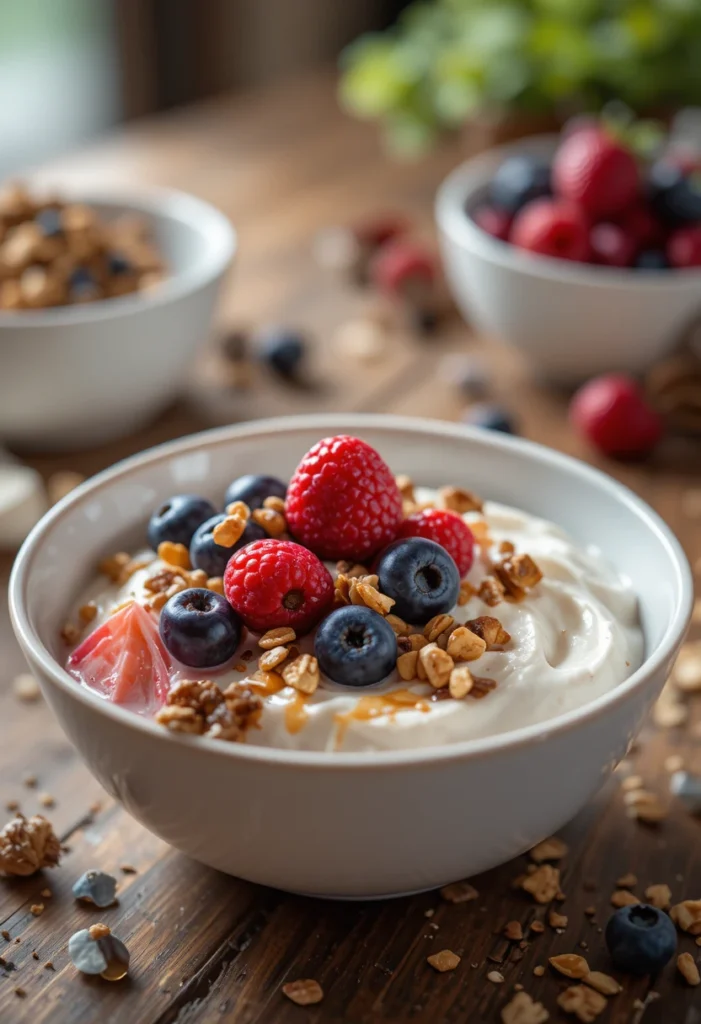
A healthy gut microbiome is increasingly linked to clearer, calmer skin. Probiotic-rich foods like Greek yogurt may help reduce inflammation associated with conditions like acne, eczema, and rosacea.
How to enjoy it: Layer with berries and a drizzle of honey for a skin-loving parfait.
15. Green Tea

Green tea is rich in polyphenols and catechins, plant compounds known for their antioxidant and anti-inflammatory properties that may help protect skin from oxidative stress.
How to enjoy it: Swap one cup of coffee a day for a warm or iced green tea.
16. Dark Chocolate (70% Cacao or Higher)
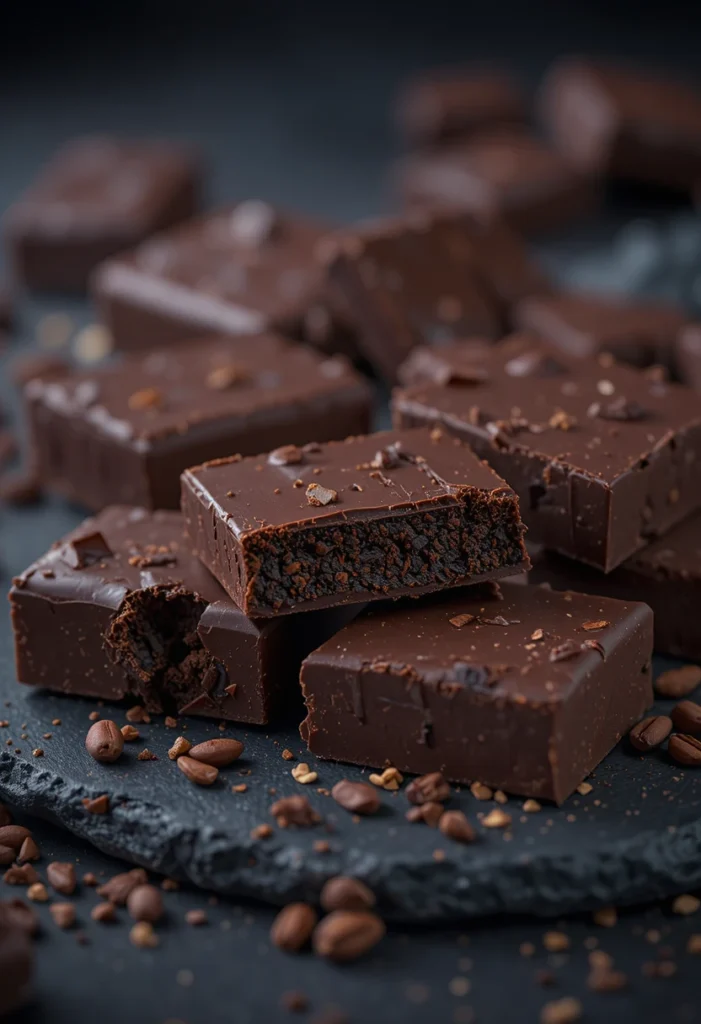
Good news for chocolate lovers — dark chocolate with high cacao content contains flavanols, antioxidants that may support skin hydration and improve blood flow to the skin over time.
How to enjoy it: Enjoy a square or two after dinner, or shave it over fruit for dessert.
17. Watermelon
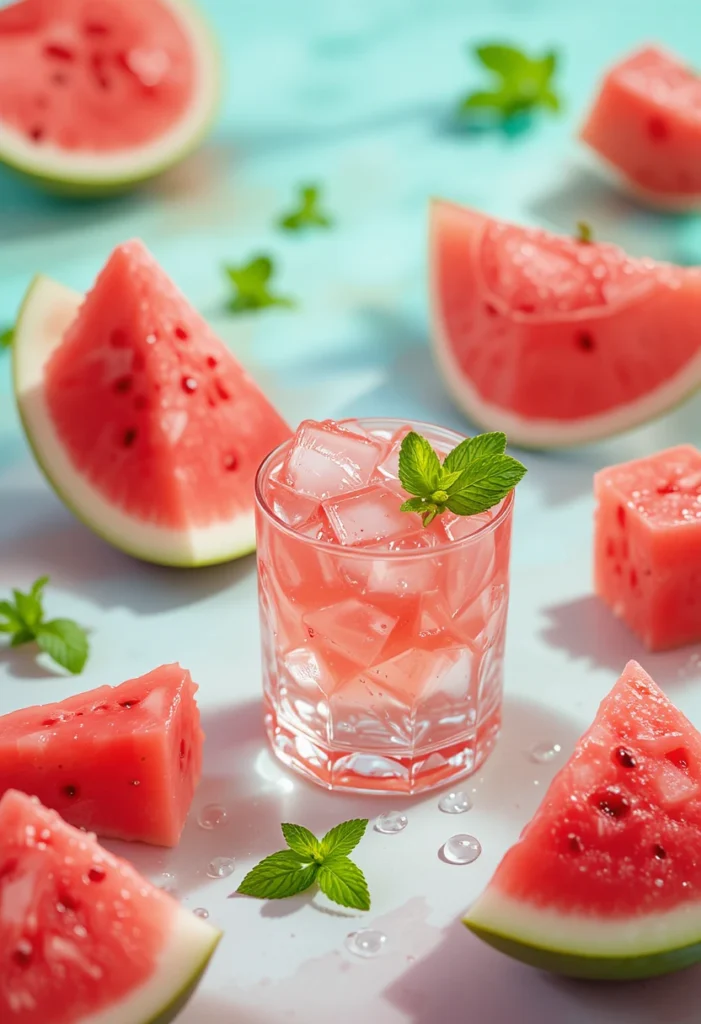
Watermelon is over 90% water, making it one of the most hydrating foods you can eat. It also contains lycopene, giving it double-duty benefits for plumper, more hydrated-looking skin.
How to enjoy it: Eat it chilled on its own, or blend into a refreshing summer smoothie.
18. Pomegranate
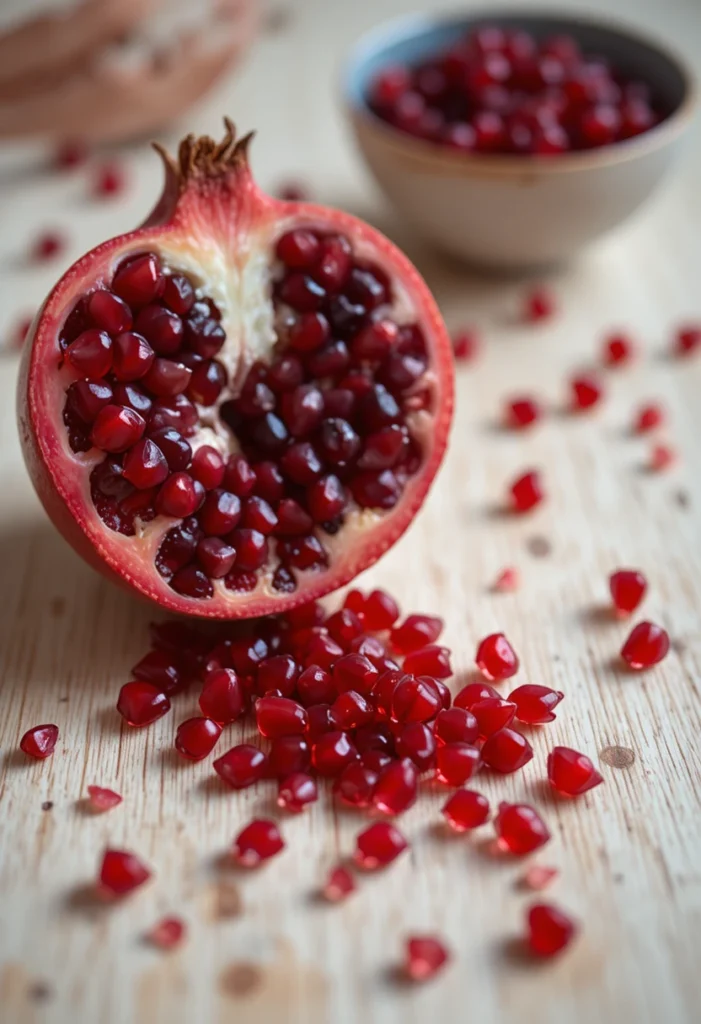
Pomegranates are rich in antioxidants that help combat free radical damage and may support the growth of new skin cells, contributing to a smoother texture and natural glow over time.
How to enjoy it: Sprinkle the seeds (arils) over salads, yogurt, or oatmeal.
19. Water (Plain and Infused)
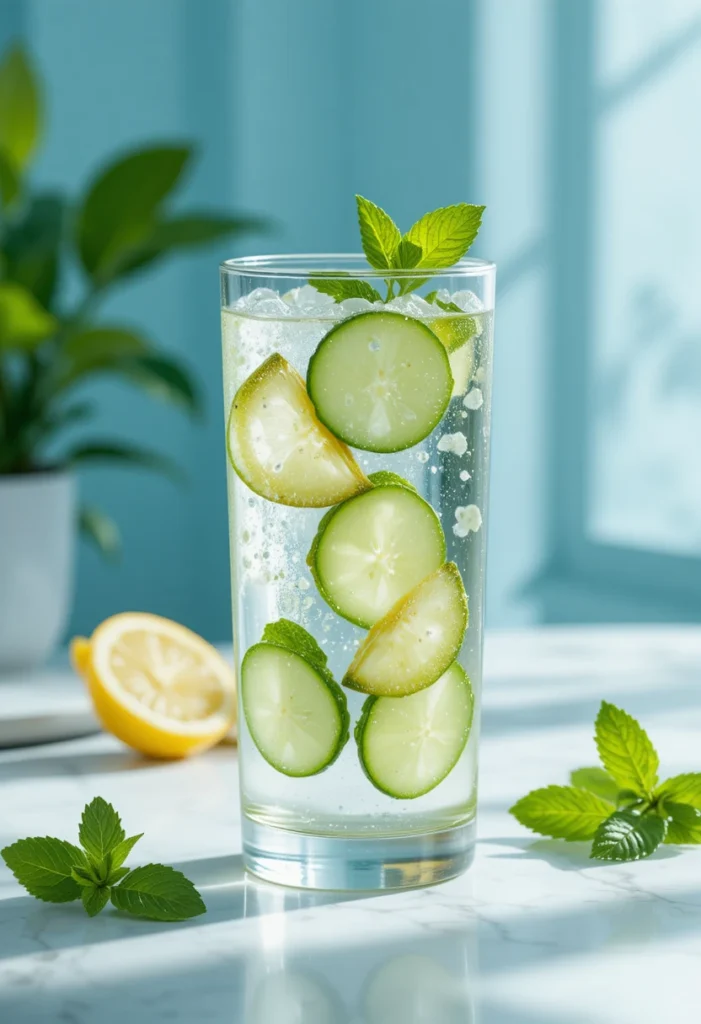
It’s not technically a “food,” but no glowing skin list is complete without it. Proper hydration helps flush toxins, maintain moisture levels, and keep skin looking plump and less prone to dryness or dullness.
How to enjoy it: Aim for consistent intake throughout the day, and infuse with cucumber, mint, or lemon if plain water feels boring.
Quick Reference: Building Your Glowing Skin Plate
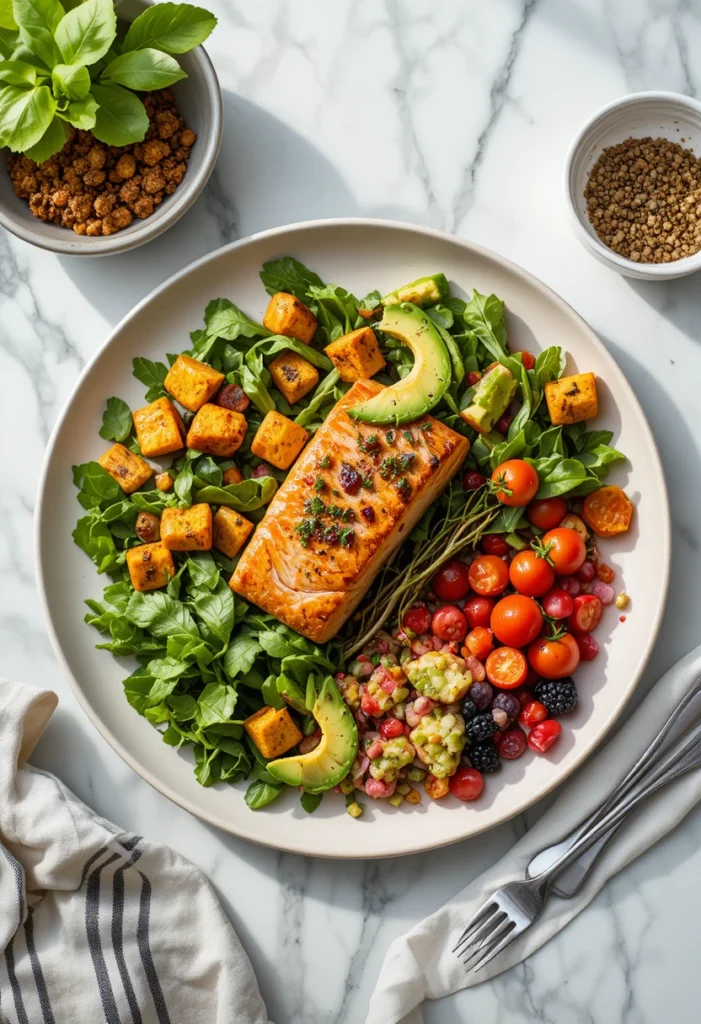
If you want a simple mental model instead of memorizing all 19 foods, think of it this way:
- Antioxidants: berries, tomatoes, pomegranate, green tea
- Healthy fats: avocado, walnuts, fatty fish
- Vitamin A & C: carrots, sweet potatoes, citrus, bell peppers, papaya
- Zinc & repair: pumpkin seeds, soy
- Gut & inflammation support: Greek yogurt, leafy greens
- Hydration: watermelon, water
A rainbow plate at most meals is an easy way to make sure you’re covering multiple categories without overthinking it.
Foods That Can Work Against Your Glow
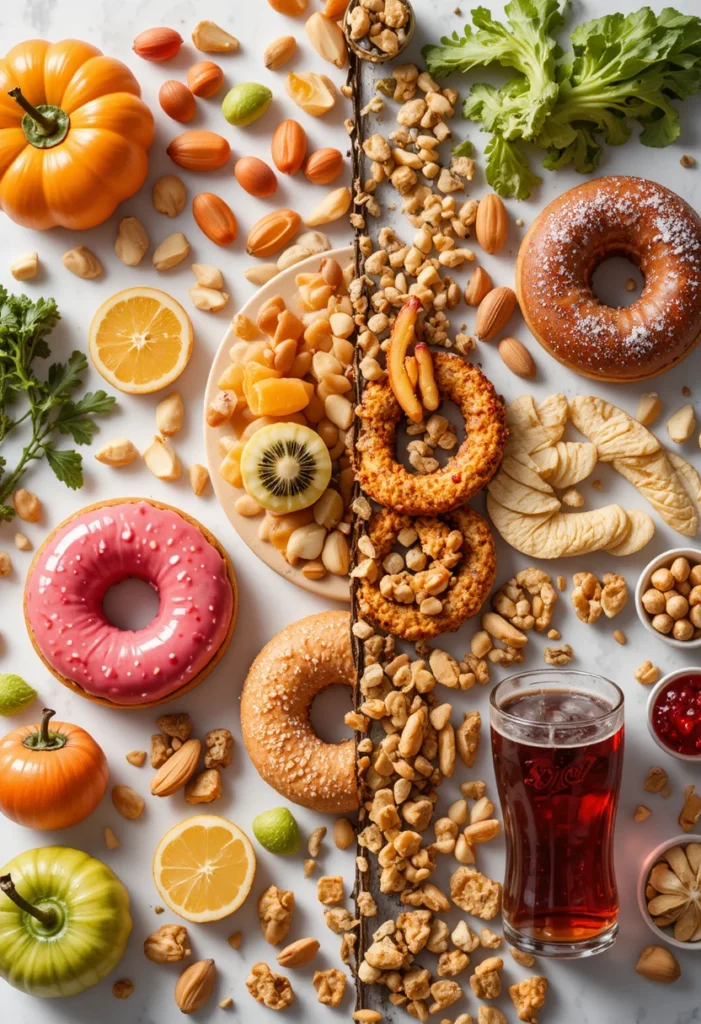
While loading up on the right foods matters, it also helps to be mindful of what might be working against you:
- Refined carbs and sugar (white bread, pastries, sugary drinks) can spike blood sugar and trigger inflammation
- Fried and heavily processed foods may contribute to breakouts in some people
- Excess dairy can be a trigger for acne-prone skin in certain individuals, though this varies person to person
You don’t need to eliminate these entirely — balance and consistency matter far more than perfection.
Simple Tips to Build a Skin Glow Diet That Actually Sticks

- Start small. Add one or two of these foods to your routine rather than overhauling everything overnight.
- Eat the rainbow. Variety in fruit and vegetable color naturally gives you a broader range of antioxidants.
- Pair fats with vitamins. Vitamin A and C are fat-soluble, so eating them alongside a healthy fat (like avocado or olive oil) helps your body absorb more of the benefit.
- Stay consistent. Skin cell turnover takes weeks, not days — give your new habits time to show results.
- Don’t skip skincare basics. Diet supports your skin, but sunscreen, gentle cleansing, and moisturizer still matter.
Frequently Asked Questions
How long does it take to see glowing skin from diet changes?
Most people notice subtle improvements in hydration and texture within 3 to 6 weeks, since skin cell turnover takes time. More noticeable changes in tone and radiance often take a few months of consistent eating habits.
Can diet alone give me glowing skin without skincare products?
Diet plays a major supporting role, but it works best alongside basic skincare like sunscreen, gentle cleansing, and moisturizing. Think of food as nourishing from within while skincare protects and hydrates from the outside.
Are supplements a good substitute for these foods?
Whole foods generally offer better and more complete benefits than supplements, since they come packaged with fiber, water, and complementary nutrients that work together. Supplements can help fill specific gaps, but they shouldn’t replace a nutrient-dense diet.
What is the single most important food for skin health?
There isn’t one single miracle food but water and consistent hydration form the foundation everything else builds on. From there, a mix of antioxidant-rich fruits, healthy fats, and zinc-rich foods rounds out a well-supported skin diet.
Final Thoughts: Your Glow Starts on Your Plate
Glowing skin isn’t about finding one perfect product or one miracle food it’s about consistently feeding your body what it needs to repair, hydrate, and protect itself from the inside out. These 19 foods for a glowing skin diet give you a realistic, sustainable starting point without requiring a complete lifestyle overhaul.
Start with a few swaps this week maybe adding berries to breakfast or swapping your afternoon soda for green tea and let the results build naturally over time. Your skin (and the rest of your body) will thank you for it.