

Beauty Sleep Routine There’s a reason your skin looks different after a rough week of 5-hour nights versus a week where you actually slept. It’s not in your head, and it’s not just concealer doing the heavy lifting. While you sleep, your body shifts into repair mode — collagen production ramps up, blood flow to the skin increases, and stress hormones drop low enough for real regeneration to happen. Skip that window enough nights in a row, and it shows up as dullness, puffiness, and fine lines that weren’t there before.
The problem is most “night routines” floating around online are really just skincare routines with a candle lit nearby. A true beauty sleep routine works on three layers at once: what you put on your skin, what you do to your body and environment, and what you do for your mind. Miss one layer, and the other two can only do so much.
This is the full 18-step version — the one that treats sleep itself as the final, most important step of your skincare routine, not an afterthought to it. You don’t need to do all 18 every single night. Think of it as a menu you build your own ritual from, starting with the ones that solve your specific problem (puffiness, dull skin, restless nights, frizzy hair) and adding more as it becomes habit.
Why Your Nighttime Routine Matters More Than Your Morning One
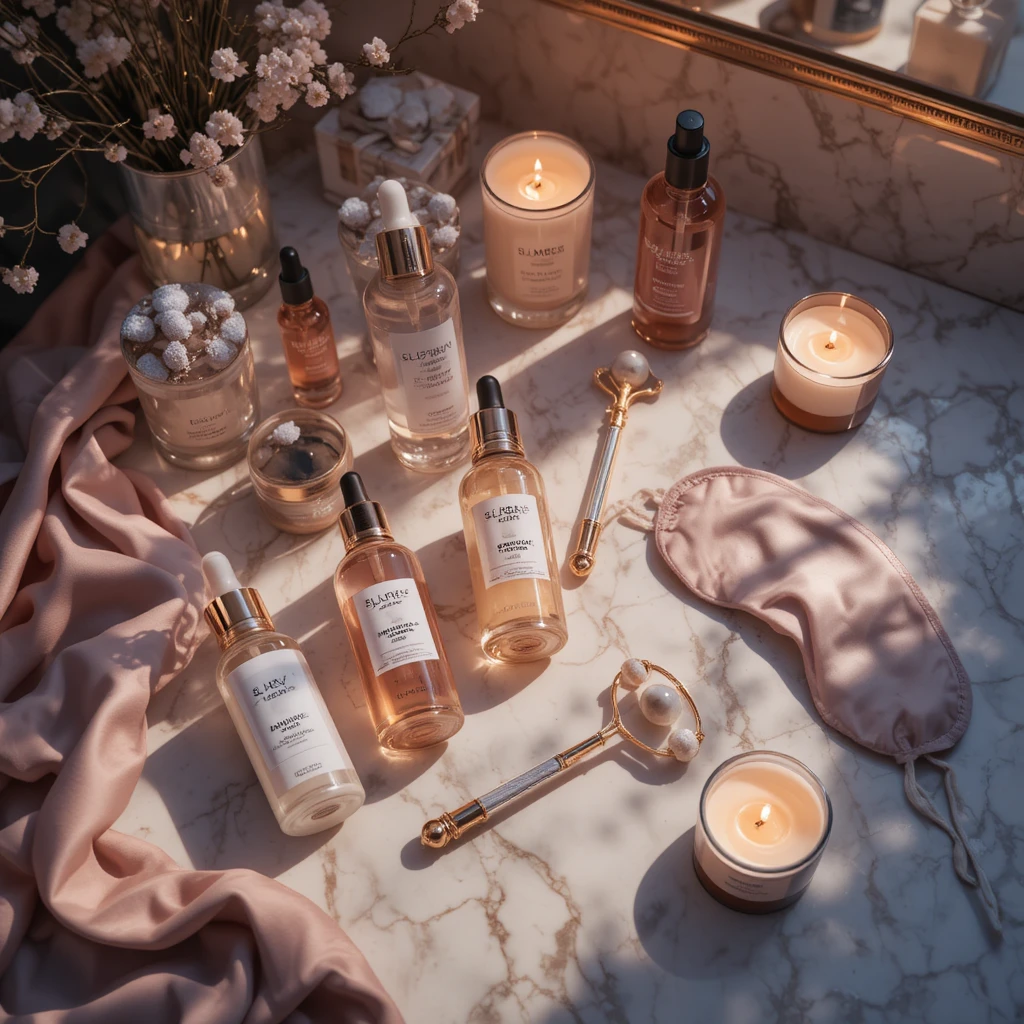
Your skin’s cell turnover and collagen synthesis both peak overnight, largely driven by your circadian rhythm. Cortisol (your stress hormone) drops while melatonin rises, and that melatonin shift is what actually triggers the enzymes responsible for repairing UV damage and micro-tears in the skin barrier from the day. Miss consistent, quality sleep, and that repair window shrinks — which is why chronic poor sleep is linked to faster visible aging, more breakouts, and a duller complexion.
In other words: your $40 serum works a lot better when your sleep is doing its part too.
Reed also: 15 Morning Routine Habits for Healthy, Glowing Skin (That Actually Work)
Steps 1–5: The Skin-Prep Foundation
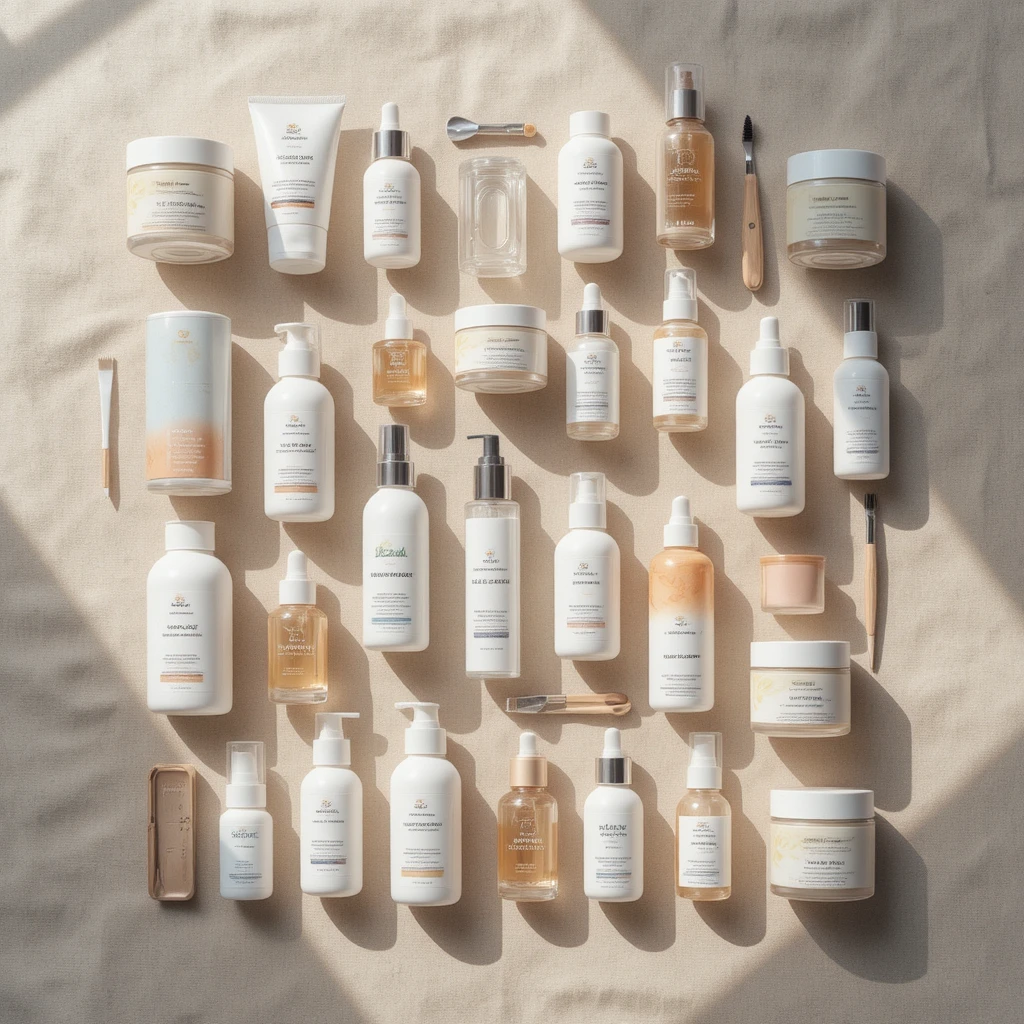
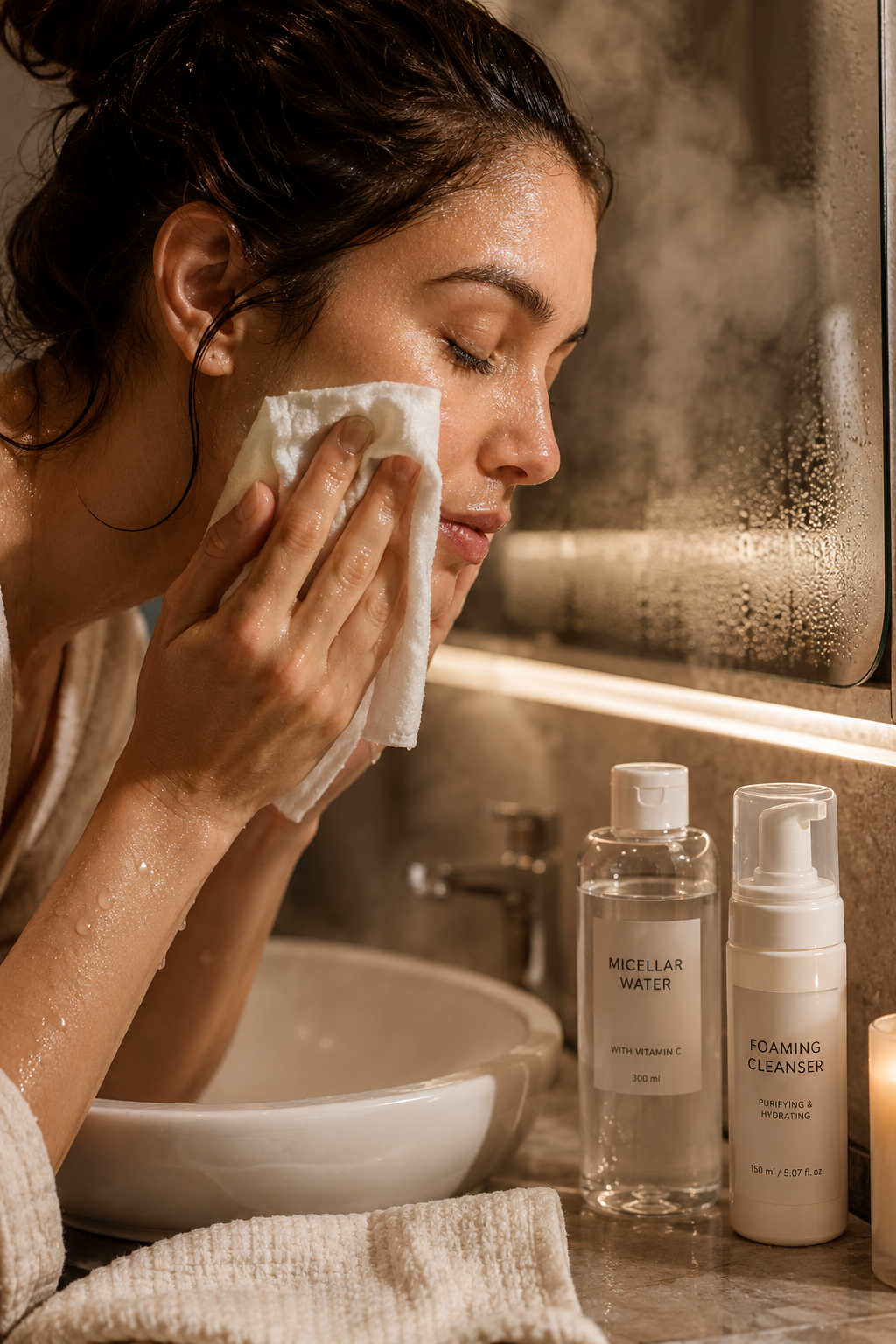
1. Remove every trace of the day first.
Makeup, SPF, pollution, and oil sitting on your skin overnight block regeneration and clog pores. Use a dedicated makeup remover or micellar water before you even touch a cleanser — don’t make your cleanser do double duty.
2. Double cleanse if you wore makeup or SPF.
An oil-based cleanser first to break down product, followed by a gentle water-based cleanser to lift away what’s left. If your skin is bare or barely-there makeup, one gentle cleanse is enough — don’t over-strip your barrier.
3. Exfoliate 2–3 times a week, not every night.
This sweeps away dead skin cells so your serums can actually absorb instead of sitting on top of dead skin. Over-exfoliating at night is one of the most common causes of a compromised, irritated barrier — less is more here.
4. Tone to rebalance your skin’s pH.
A hydrating, alcohol-free toner preps skin to better absorb everything that comes next. Skip this step if your skin runs sensitive or reactive.
5. Apply active treatments while your skin is most receptive.
This is where retinol, niacinamide, or targeted brightening ingredients like alpha arbutin go. Nighttime is the ideal window for actives because your skin isn’t fighting UV exposure at the same time — just remember to follow with SPF the next morning, always.
💡 Quotable moment: Actives don’t work harder because you use more of them. They work harder because your skin has the uninterrupted hours to actually use them.
Steps 6–10: Lock In Moisture and Repair
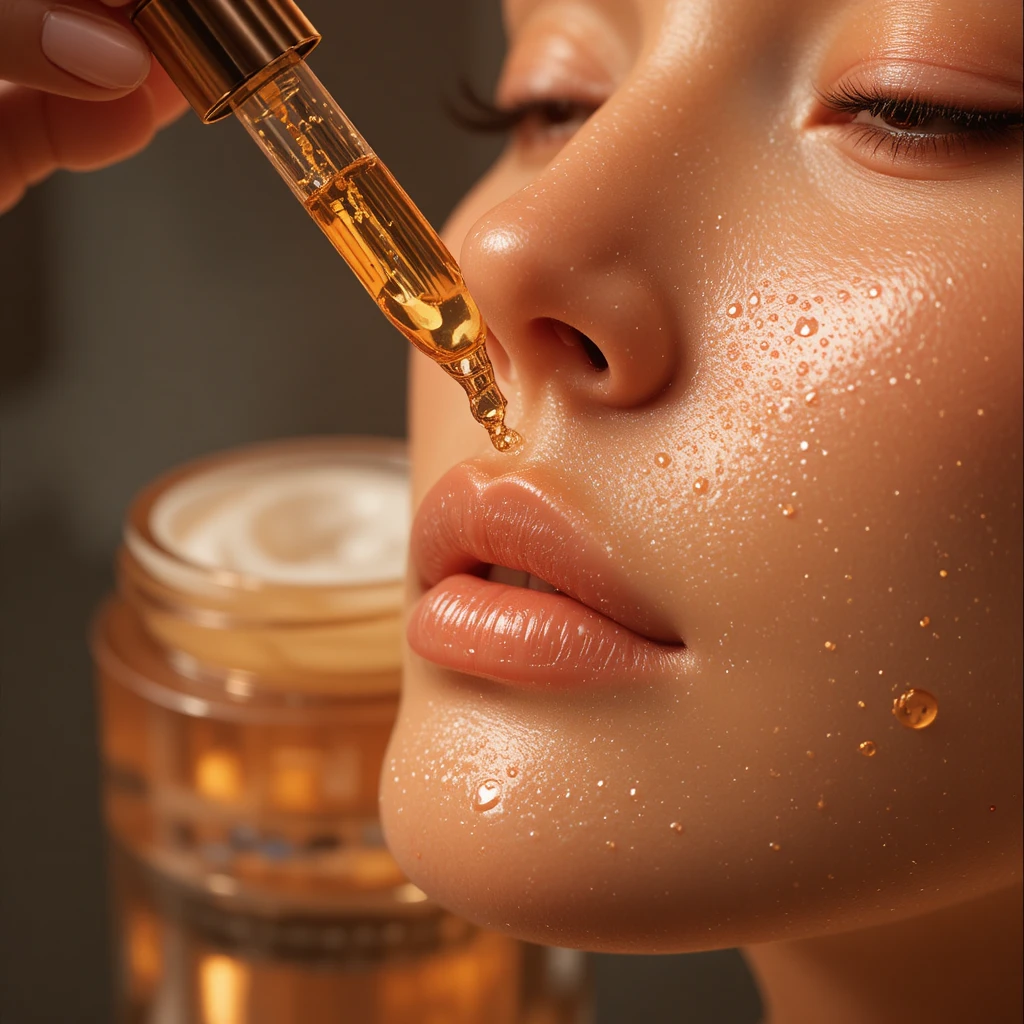
6. Layer hyaluronic acid on slightly damp skin.
Hyaluronic acid pulls moisture into the skin, but it needs water to pull from — apply it to damp skin, not bone-dry skin, or it can actually pull moisture out of deeper layers.
7. Seal everything with a moisturizer suited to your skin type.
This is your barrier’s last line of defense overnight. Look for ceramides if your skin tends dry or reactive; a lighter gel-cream if you run oily or combination.
8. Don’t skip eye cream.
The skin around your eyes is thinner and shows fatigue first. A targeted eye cream helps with puffiness and the look of dark circles over time — patience here matters more than any single product.
9. Consider an overnight mask 1–2 times a week.
Sleeping masks are designed to sit on skin for hours, delivering deeper hydration than a rinse-off mask ever could. Use them as a booster, not a replacement for your core routine.
10. Apply lip balm or a lip mask before bed.
Lips have no oil glands, so they dry out fastest overnight, especially with the heater or AC running. A thick, occlusive lip balm prevents you from waking up with cracked lips.
Steps 11–14: The Environment Layer (Where Most Routines Stop Too Early)
11. Switch to a silk or satin pillowcase.
Cotton pulls moisture out of your skin and hair and creates friction that can lead to sleep creases and hair breakage over time. Silk or satin lets your skin and hair glide instead of drag — a small swap with a genuinely noticeable payoff after a few weeks.
12. Run a humidifier if your room runs dry.
Heating and air conditioning strip moisture from the air overnight, which shows up as tight, flaky skin and dry lips by morning. A cool-mist humidifier keeps ambient humidity balanced while you sleep.
13. Elevate your head slightly.
Sleeping flat allows fluid to pool in your face overnight, which is a major contributor to morning puffiness, especially around the eyes. An extra pillow or a foam wedge encourages better drainage.
14. Wash your pillowcase weekly (more if you have acne-prone skin).
Oil, product residue, and bacteria build up on fabric fast, and you’re pressing your face into it for 7–8 hours a night. This is one of the easiest, cheapest upgrades on this entire list.
💡 Quotable moment: You can have a 10-step skincare routine and still wake up broken out if your pillowcase hasn’t been washed in three weeks.
Steps 15–18: The Wellness Layer (The One Most Routines Skip Entirely)
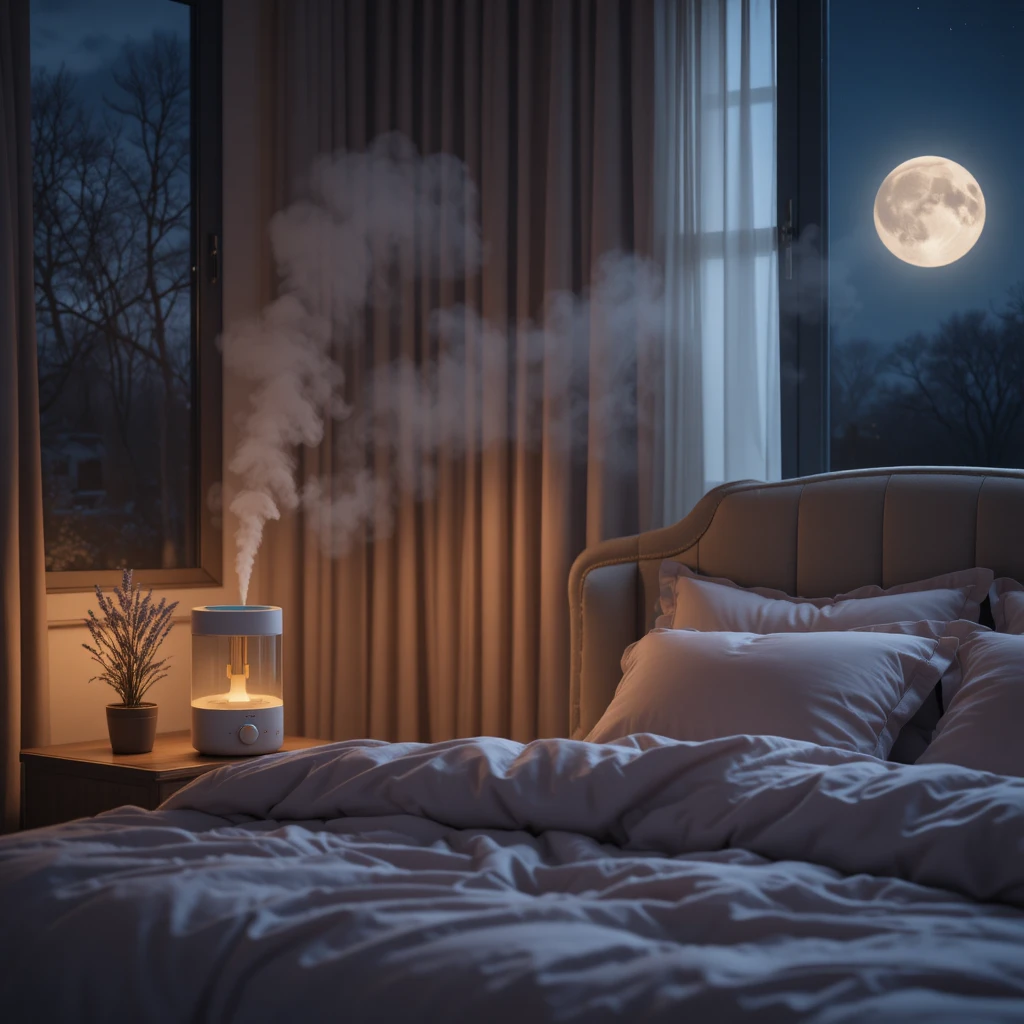
This is where a beauty sleep routine becomes more than skincare — because the quality of your actual sleep affects your skin just as much as any product on this list.
15. Set a consistent bedtime, even on weekends.
Your skin’s repair cycle is tied to your circadian rhythm, and inconsistent sleep timing disrupts that rhythm even if your total hours stay the same. Pick a time and protect it.
16. Put your phone away 30 minutes before bed.
Blue light delays melatonin release, and scrolling keeps your nervous system in a low-grade alert state that makes it harder to fall into deep, restorative sleep. Trade the scroll for a book, stretching, or simply dimming the lights.
17. Build in a short wind-down ritual.
Five to ten minutes of deep breathing, gentle stretching, or journaling signals to your body that it’s safe to downshift. This is the step people skip most, and it’s often the one with the biggest impact on how rested — and how “glowy” — you actually look the next morning.
18. Protect a full sleep window, not just a bedtime.
Aim for 7–9 hours of uninterrupted sleep, not just “getting to bed early” on paper while scrolling for another hour once you’re under the covers. This final step is really the whole point of the previous seventeen — none of it matters without the sleep itself.
Building Your Own Routine (You Don’t Need All 18 Every Night)
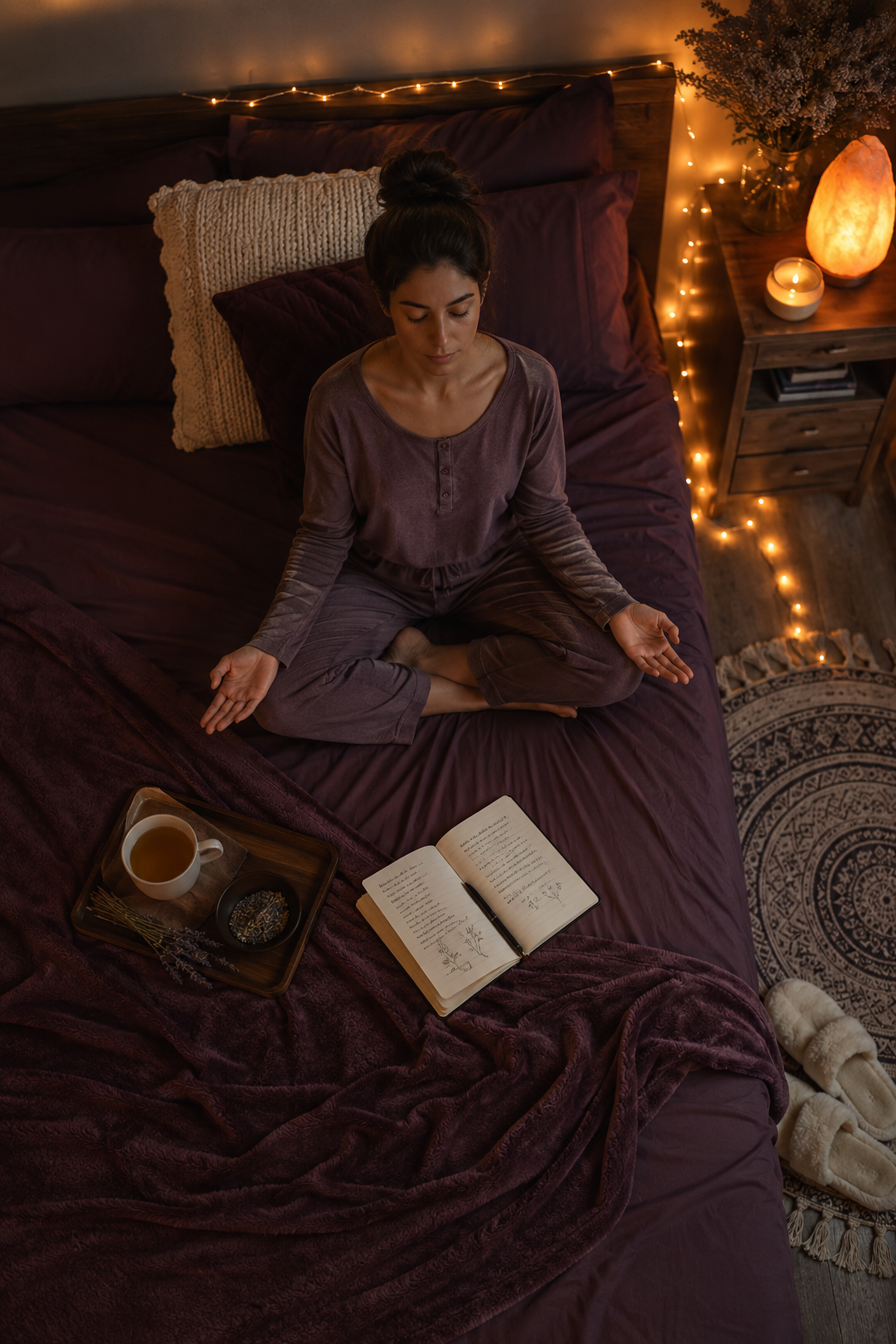
If you’re just starting out, anchor your routine around five non-negotiables: cleanse, moisturize, silk pillowcase, consistent bedtime, and phone away 30 minutes early. Add more steps in gradually as they become automatic, rather than overhauling everything at once — routines that stick are built slowly, not adopted overnight.
Frequently Asked Questions
How long does it take to see results from a beauty sleep routine?
Most people notice less puffiness and better hydration within 1–2 weeks. Deeper changes like fine lines and overall texture typically take 4–8 weeks of consistency, since that lines up with your skin’s natural renewal cycle.
Can I do all 18 steps every single night?
You can, but it’s not necessary. Steps like exfoliation and overnight masks are meant to be occasional (2–3 times a week), while cleansing, moisturizing, and your wind-down ritual are the ones worth doing nightly.
What’s the single most impactful step on this list?
Consistent, sufficient sleep (step 18). Every product and ritual on this list is designed to support what happens during those hours — none of it can substitute for the sleep itself.
Is a silk pillowcase actually worth it?
For most people, yes. It reduces friction-related sleep creases and hair breakage, and it doesn’t absorb your skincare products the way cotton does — a small change with a compounding effect over weeks and months.
Beauty sleep isn’t a myth or a marketing phrase — it’s your skin’s most productive window of the entire day. Treat it like the last, most important step in your routine, and the rest of your skincare will finally get the chance to do what it’s actually capable of.