


Skin Breaks Out Right Before the Biggest Days. I will provide you with my article’s main keyword and additional titles/subheadings. Based on them, generate highly professional, detailed, and visually compelling AI image prompts that are directly relevant to the keyword and title.
After generating all image prompts, provide an SEO-friendly Alt Text for the feature image based on the main keyword and title.Keep the Alt Text descriptive, natural, and optimized for search engines.
You have a big presentation tomorrow. Or a first date. Or your best friend’s wedding. And there it is a fresh, angry breakout, right on your chin, like your face knew exactly when to betray you.
Why Stress Triggers Breakouts in the First Place
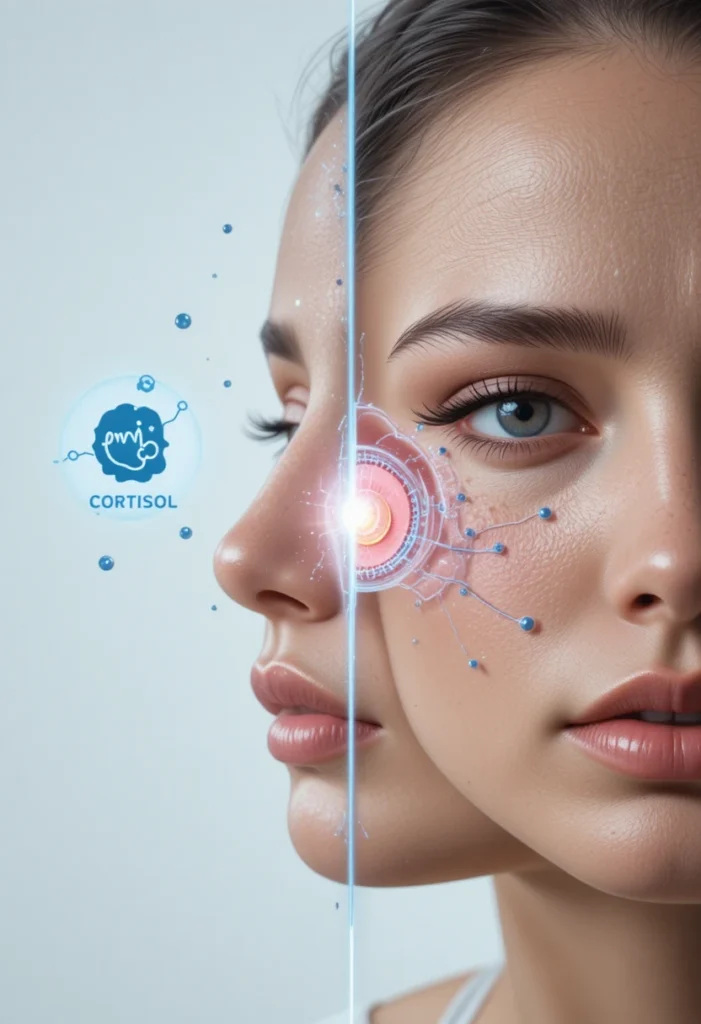
Skin Breaks Out Right Before the Biggest Days. Before jumping into the tips, it helps to know why this happens. When you’re stressed, your body releases cortisol, a hormone that tells your skin’s oil glands to produce more sebum. Excess oil mixes with dead skin cells and bacteria, clogging pores and creating the perfect breeding ground for inflammation.
Stress also weakens your skin’s protective barrier, making it more reactive, more inflamed, and slower to heal. It can even worsen existing conditions like eczema, psoriasis, and rosacea. On top of that, stress often leads to habits that make things worse — skipping skincare, touching your face more, eating poorly, and sleeping less.
The good news: because the stress-skin connection runs in both directions, calming your stress can visibly calm your skin. Here’s how.
Reed also: 23 Holistic Beauty Routine Habits for a Radiant, Balanced Wellness Glow
1. Track Your Breakouts Alongside Your Stress Levels
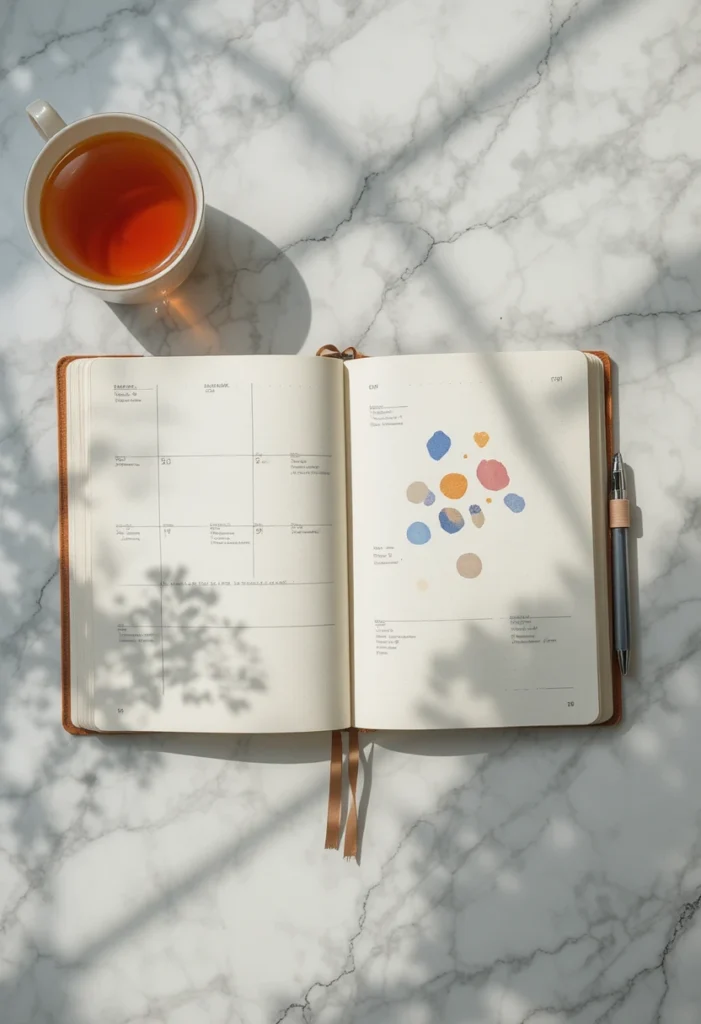
Start a simple journal noting when breakouts appear alongside your stress levels, sleep, and diet that week. Patterns emerge fast — many people notice flare-ups cluster around exams, deadlines, or emotional upheaval. This alone helps you separate “stress acne” from other triggers, so you can treat the actual cause instead of guessing.
Save-worthy tip: If your breakouts show up in the same spots every time you’re overwhelmed forehead, jawline, chin that’s a strong sign stress is the driver, not your skincare routine.
2. Don’t Abandon Your Skincare Routine When Life Gets Chaotic

It’s tempting to skip cleansing or moisturizing when you’re exhausted, but this is exactly when your skin needs consistency most. Stick to a simple, gentle routine: cleanse, treat, moisturize, SPF. Simplifying (rather than adding more products) reduces the chance of further irritating an already-compromised skin barrier.
3. Practice Even Two Minutes of Slow Breathing

You don’t need a 30-minute meditation session to make a difference. A couple of minutes of slow, deep breathing before a stressful meeting or after a hard day signals safety to your nervous system, which can soften your body’s stress response and the cortisol spike that comes with it.
Read also: 23 Holistic Beauty Routine Habits for a Radiant, Balanced Wellness Glow
4. Prioritize Sleep, Even When You’re Busy

Your skin does most of its repair work overnight. When stress cuts into your sleep, your skin doesn’t get the chance to heal, and breakouts linger longer and heal slower. Aim for 7–8 hours, and try dimming lights and stepping away from screens earlier in the evening to help your body wind down naturally.
5. Move Your Body Daily

Exercise is one of the most effective natural stress-relievers, and it directly benefits your skin, too. Movement helps regulate cortisol, improves circulation, and supports your skin’s overall resilience. It doesn’t need to be intense — a brisk walk around the block counts.
6. Watch What You’re Eating (Especially Under Pressure)
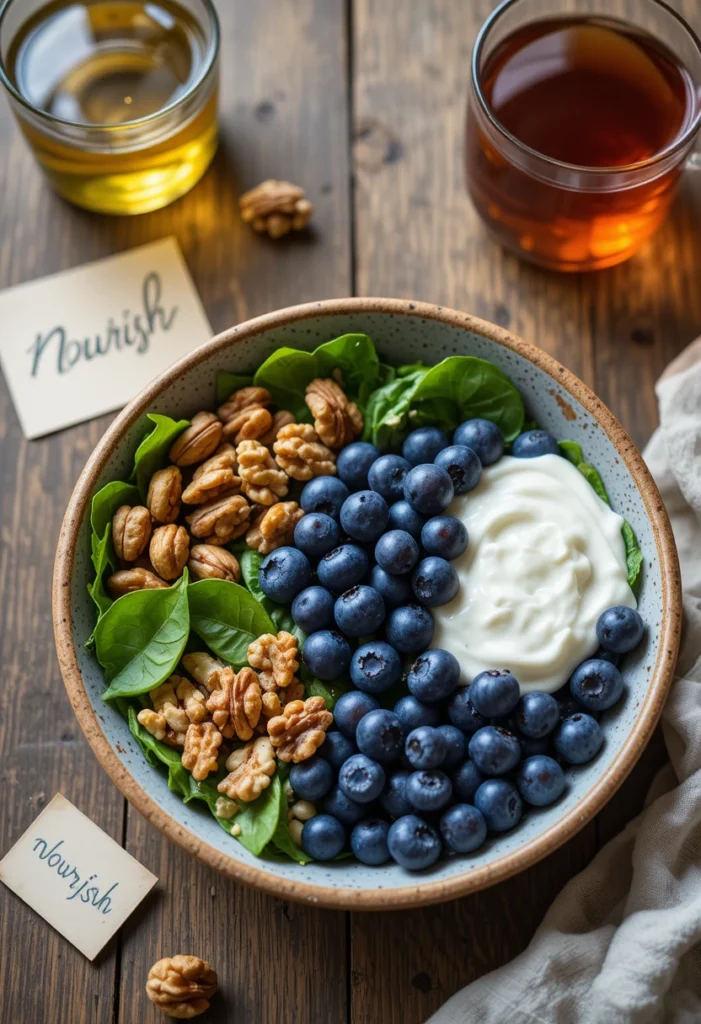
Stress often leads to reaching for sugary, greasy, or heavily processed comfort foods, which can spike inflammation and oil production. Try to keep meals balanced with lean proteins, colorful vegetables, omega-3s, and whole grains, while limiting excess dairy and sugar when you’re going through a stressful stretch.
Pinnable callout: Stress eating and stress breakouts often arrive together — fixing one habit can quietly fix the other.
7. Resist the Urge to Touch or Pick
Under stress, many people unconsciously touch their face more or pick at emerging blemishes without even realizing it. This transfers bacteria, increases inflammation, and raises the risk of scarring. Keep a mental (or literal) note to keep your hands away from your face, especially during high-stress moments like deadlines or long commutes.
8. Use Calming, Barrier-Supporting Ingredients
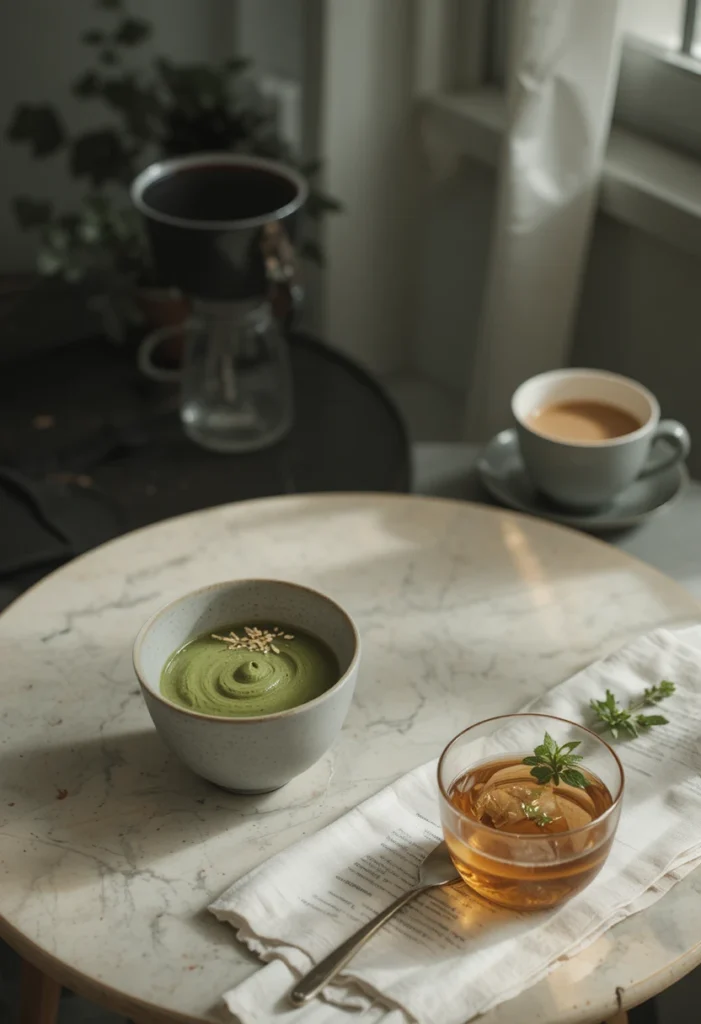
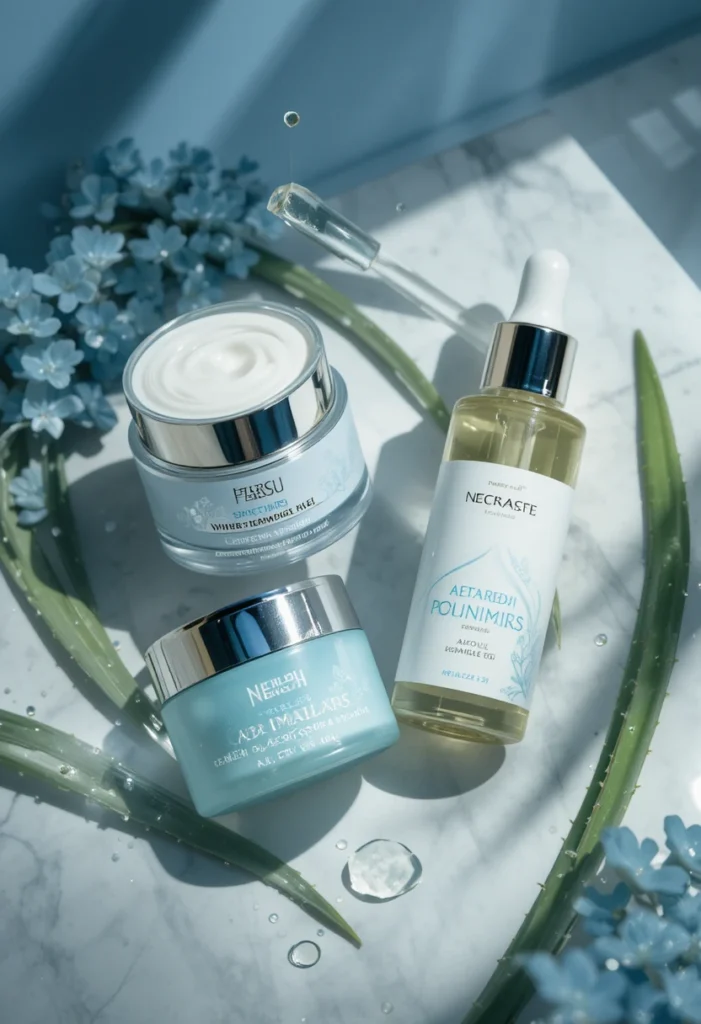
Look for products with niacinamide, centella asiatica, or ceramides, which help repair a stressed-out skin barrier without over-stripping it. Avoid harsh exfoliants or strong actives during flare-ups — this is a time to soothe, not aggravate.
9. Keep Caffeine and Alcohol in Check

Both can dehydrate skin and disrupt sleep, compounding the effects stress already has on your complexion. You don’t have to cut them out entirely, but noticing your intake during particularly stressful weeks can help you avoid making breakouts worse.
10. Build in Small, Non-Negotiable Moments of Calm

Even 10 minutes a day dedicated to something you genuinely enjoy — reading, a bath, a short walk — can lower your baseline stress level over time. Think of this as preventative skincare that has nothing to do with products.
11. Try a Calming Facial or At-Home Mask Ritual

A gentle, hydrating facial (professional or DIY) can be inherently relaxing while also giving your skin a boost of hydration and calm. The ritual itself — slowing down, being present with your skincare — can lower stress just as much as the ingredients do.
12. Learn to Say No

Overcommitting is one of the most common (and overlooked) stress triggers. Protecting your time and setting boundaries isn’t just good for your mental health — it removes one of the root causes feeding your breakouts in the first place.
13. Talk to Someone

Whether it’s a friend, family member, or therapist, verbalizing stress can meaningfully reduce its intensity. Bottling stress up tends to prolong its physical effects, including on your skin. You don’t have to carry it alone.
Save-worthy tip: Your skin isn’t being dramatic — it’s giving you real-time feedback on how your nervous system is doing.
14. Know When to See a Dermatologist
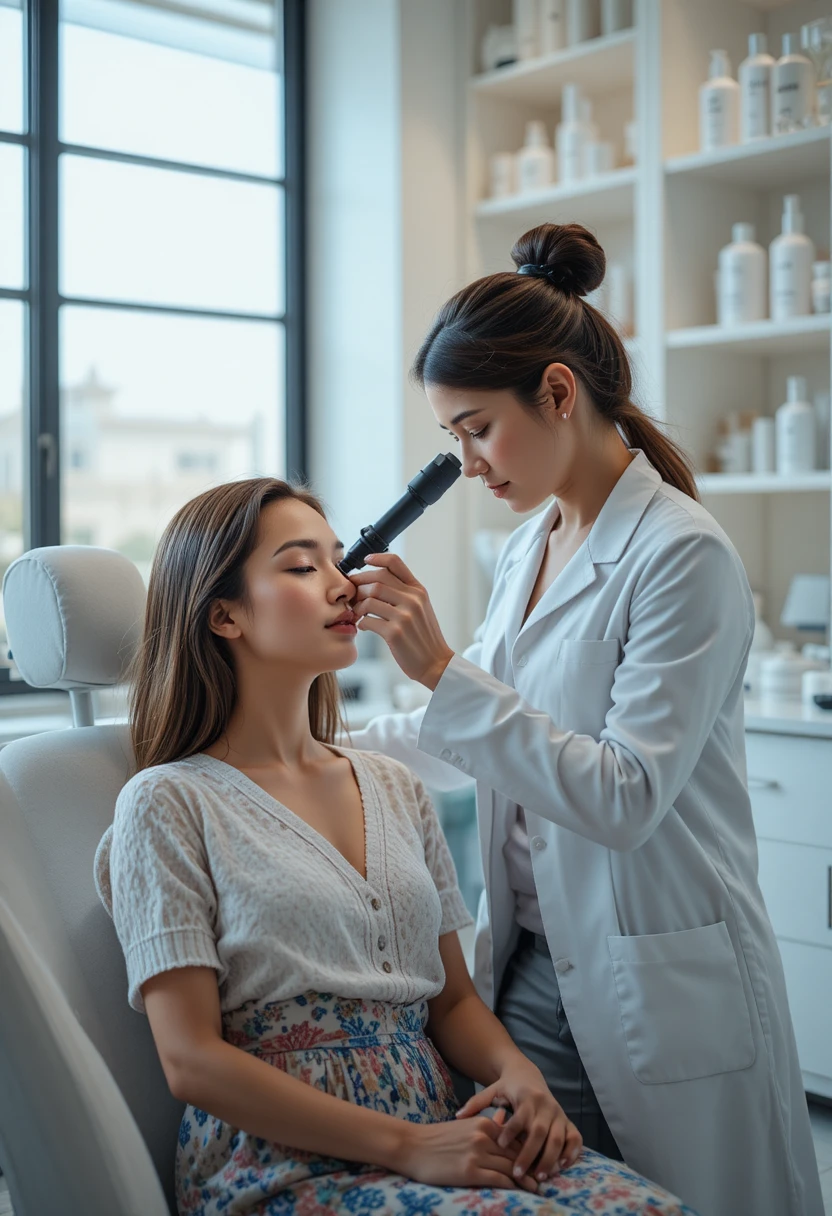
If breakouts are severe, painful, or not improving with lifestyle changes and gentle skincare, it’s time to bring in a professional. A dermatologist can confirm whether stress is truly the driver, rule out other causes, and offer stronger treatment options if needed — especially if you’re also managing eczema, psoriasis, or rosacea alongside the breakouts.
Frequently Asked Questions
Can stress alone cause acne, or does it just make existing acne worse?
Both. Stress can trigger new breakouts through excess cortisol and oil production, and it can also intensify acne you already have by increasing inflammation throughout the body.
How long does a stress breakout typically last?
Many stress-related breakouts start improving within a few days once stress levels drop, though inflamed or picked-at spots can take longer to fully heal.
Where do stress breakouts usually appear?
Most commonly on the forehead, cheeks, jawline, and sometimes the chest or back — often in the same spots each time stress spikes.
The Bottom Line
Stress and skin breakouts aren’t separate problems they’re two symptoms of the same root cause. The moment you start treating your nervous system with the same care you give your skincare routine, you’ll likely notice both start to settle down together. Small, consistent habits — sleep, movement, boundaries, gentle skincare do more for your complexion long-term than any single product ever could