

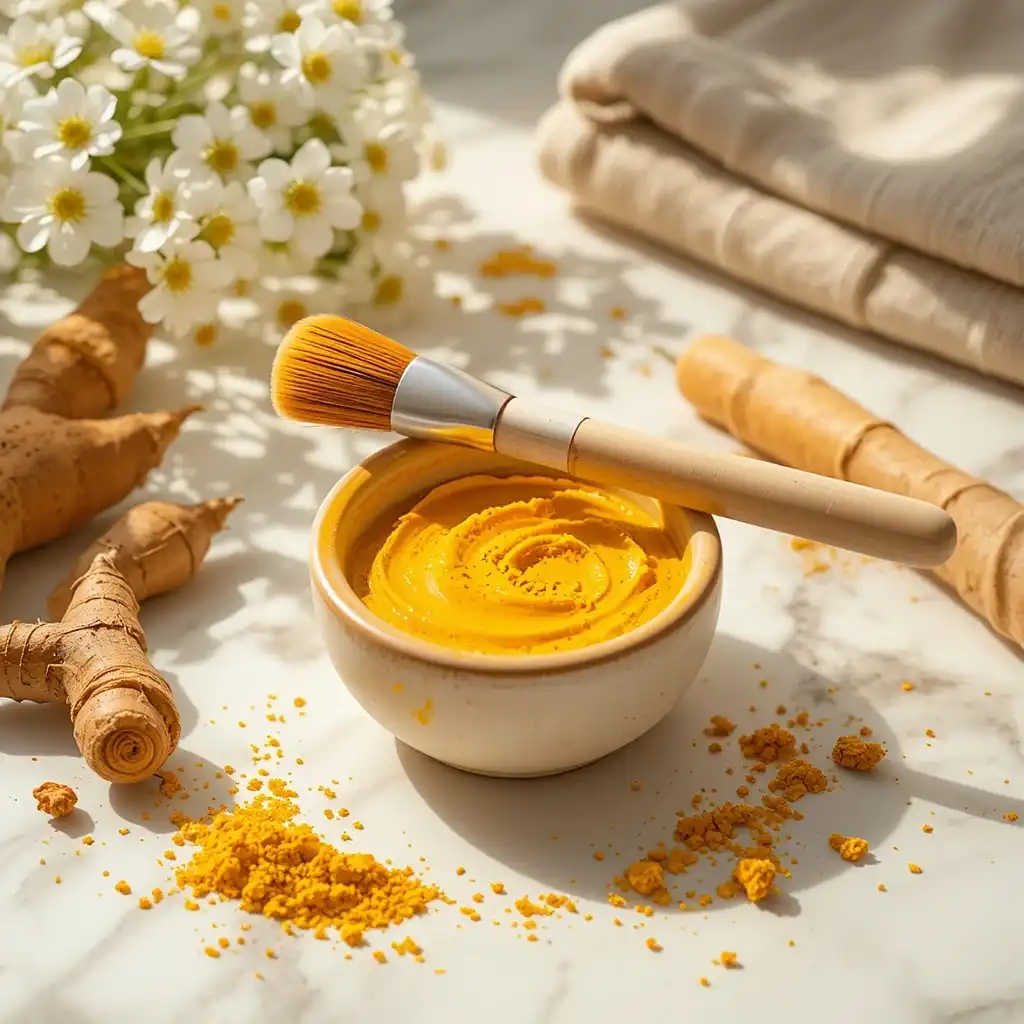
Turmeric Face Mask Benefits Your kitchen cabinet is hiding a skincare secret that dermatologists and beauty bloggers can’t stop talking about and it costs less than your morning latte.
If you’ve scrolled past photo after photo of glowing, golden-dusted faces on Pinterest and wondered whether turmeric face masks actually live up to the hype, you’re not alone. This humble yellow spice has been used in skincare for thousands of years, long before “clean beauty” was a marketing term. And once you understand why it works, you’ll want to raid your spice rack tonight,
What Makes Turmeric So Good for Your Skin?

Before we get into the individual benefits, it helps to know why turmeric works. The magic is in curcumin, turmeric’s active compound, which brings antioxidant, anti-inflammatory, and antibacterial properties to the table all at once. Turmeric’s natural antioxidants fight against dullness by protecting the skin from free radical damage the harm caused by unstable molecules that break down healthy skin cells and speed up aging. Eminence Organic Skin Care.
Read also:13 DIY Body Butter Recipes with Shea Butter (Easy, Luxurious & All Skin Types)
The 18 Turmeric Face Mask Benefits
1. Brightens Dull, Tired-Looking Skin
Turmeric is best known for delivering an instant radiance boost. Regular use helps skin look more awake and less lackluster, especially after a stressful week or a poor night’s sleep.
2. Reduces the Appearance of Dark Spots
A turmeric face mask can help fade marks and even out the complexion when spots or discoloration are a concern. Curcumin works gradually to soften the look of these marks with consistent use. Kaya
3. Evens Out Overall Skin Tone
Beyond individual spots, turmeric helps calm patchiness across the whole face, working toward a more uniform, balanced complexion over time.
4. Calms Redness and Irritation
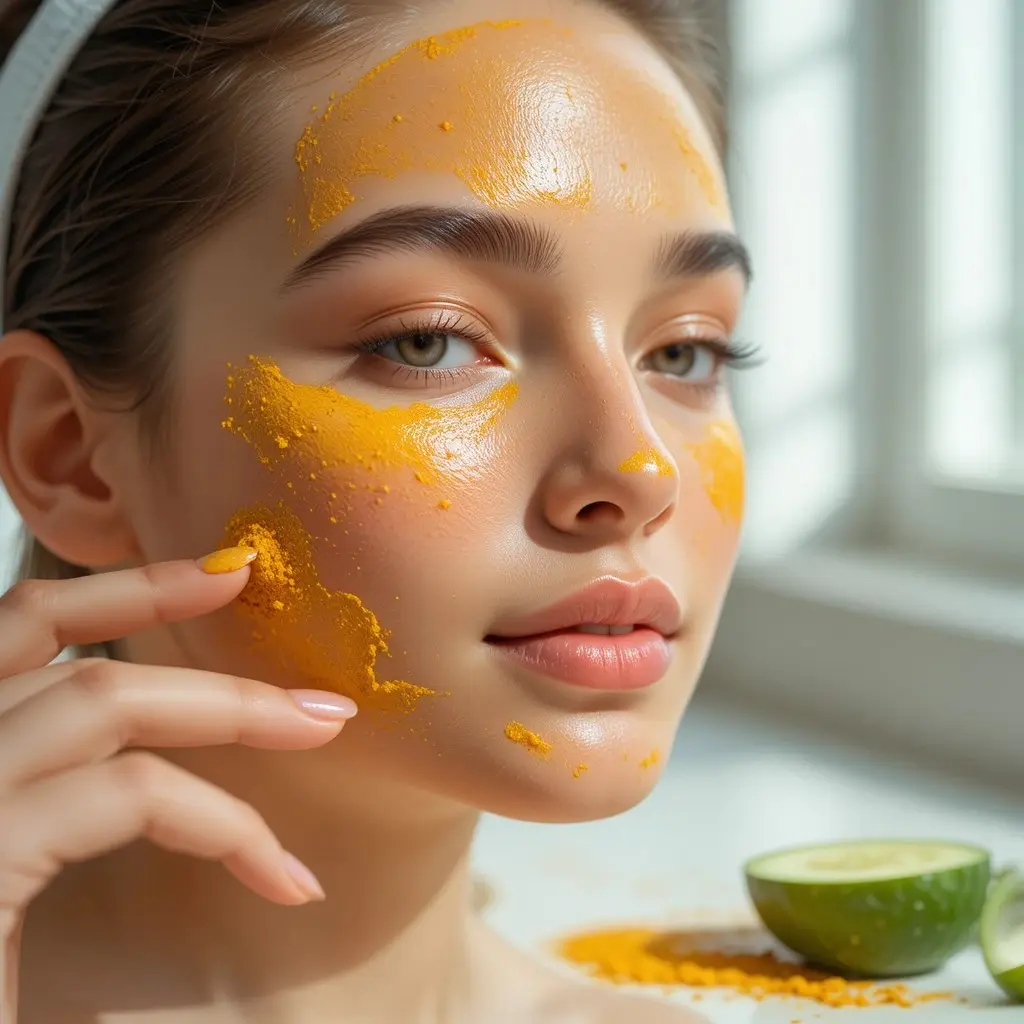
Thanks to its anti-inflammatory nature, turmeric contains compounds that may reduce swelling and irritation on the skin, which may help soothe skin that’s feeling reactive or inflamed. Healthline
5. Soothes Sensitive Skin Conditions
People dealing with occasional redness or reactive skin often turn to turmeric because its calming properties make it feel gentler than many active ingredients.
6. Fights Acne-Causing Bacteria
Turmeric’s antibacterial qualities make it popular in acne-focused DIY recipes, particularly when paired with honey for extra antimicrobial power.
7. Reduces Breakout Inflammation
Beyond fighting bacteria, turmeric also helps calm the swelling and redness that come along with an active breakout, so pimples look less angry.
8. Helps Fade the Look of Acne Scars
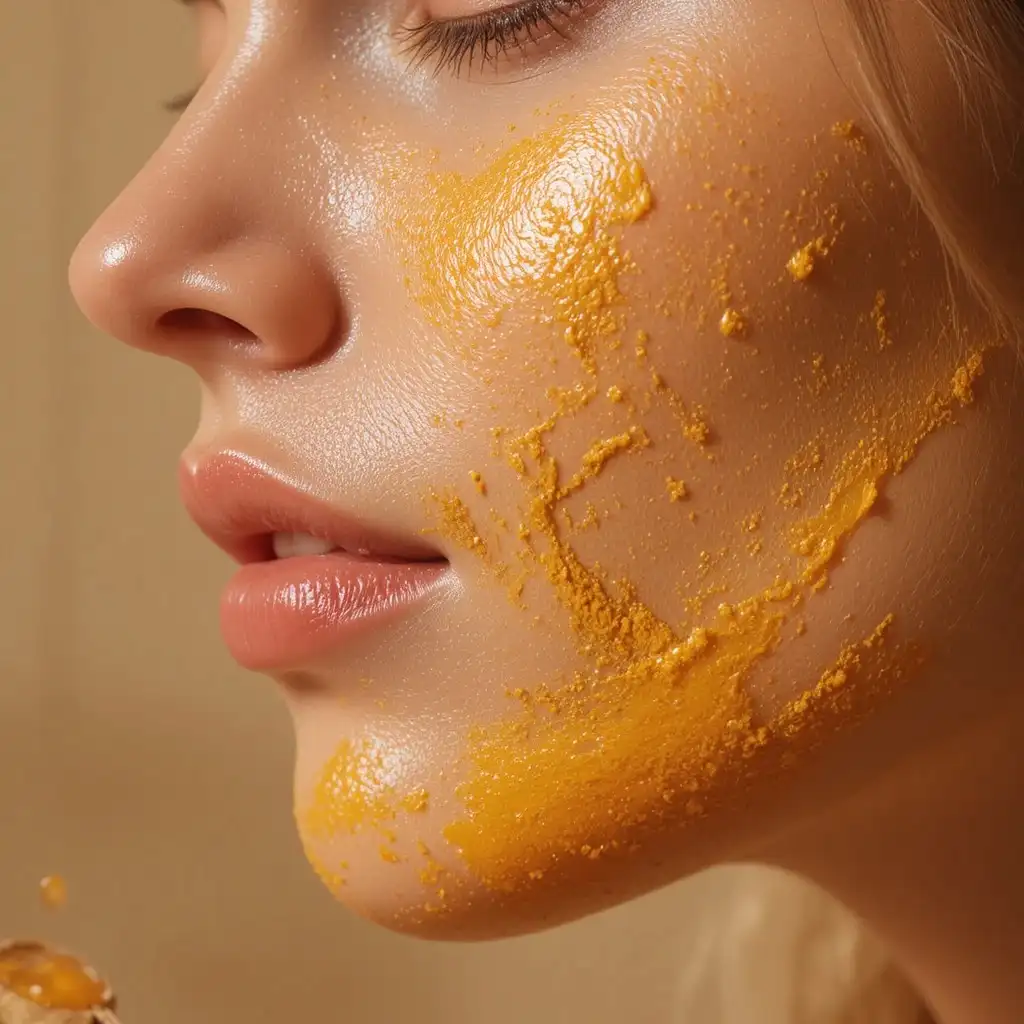
Turmeric’s ability to help reduce inflammation and provide antioxidants can help to reduce reminders of past pimples over time, making it a favorite for post-acne skin. Dr. Axe
9. Provides Antioxidant Protection
Every time you apply a turmeric mask, you’re giving your skin a dose of free-radical-fighting antioxidants that help defend against everyday environmental stress.
10. Softens the Look of Fine Lines
With consistent, gentle use, turmeric’s antioxidant activity is thought to support skin that looks firmer and more youthful, softening the appearance of early fine lines.
11. Supports Skin Elasticity
Some formulations pair turmeric with nourishing ingredients like almond oil or yogurt to help skin feel more supple and bouncy.
12. Balances Oily, Congested Skin
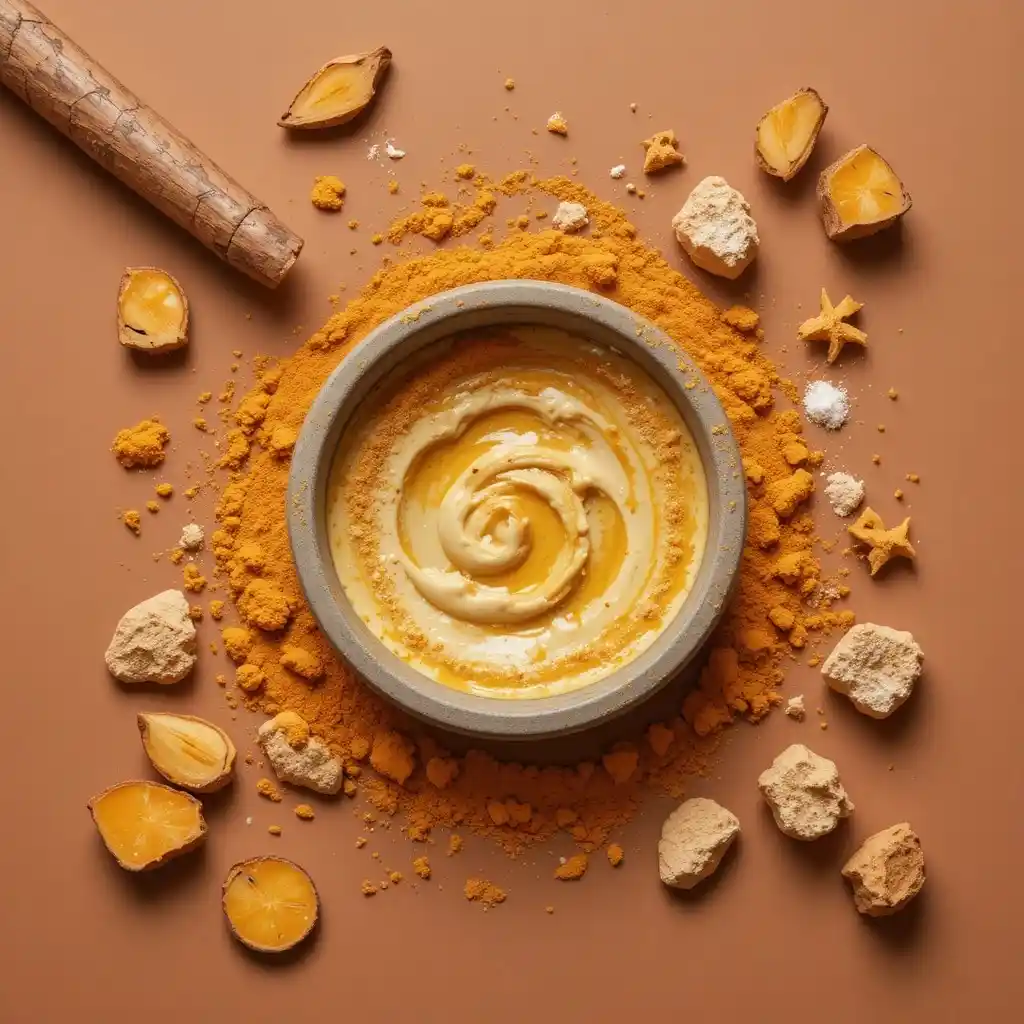
When mixed with clay or fuller’s earth, turmeric helps absorb excess oil while still delivering its calming benefits a nice balance for combination or oily skin types.
13. Gently Exfoliates When Paired with Yogurt
Yogurt contains lactic acid, which gently exfoliates the skin, while turmeric provides anti-inflammatory benefits, making this combo a favorite for a fresh, smooth texture. Oasis MD
14. Hydrates and Nourishes with the Right Mix-Ins
Turmeric alone can be drying for some skin types, but honey is a natural humectant that helps keep skin moist, making a turmeric-honey mask both calming and hydrating. Oasis MD
15. Helps Calm Post-Sun Redness
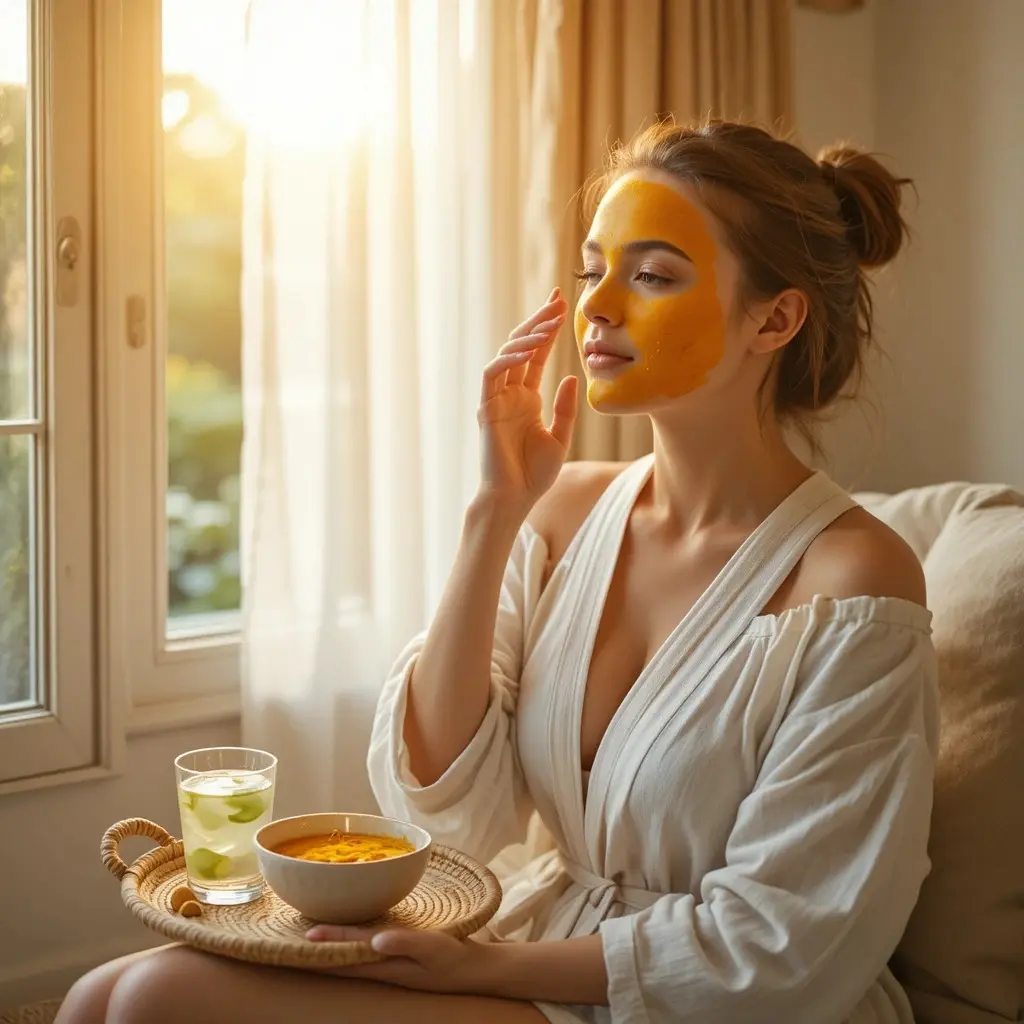
Turmeric paired with aloe vera is a go-to combination for soothing skin after too much time outdoors, thanks to their shared cooling, calming qualities.
16. May Support a More Even, Radiant Undereye Area
Some people use a diluted turmeric mixture (often with almond oil) specifically on the undereye area to address puffiness and a tired look though this area is delicate, so patch testing matters most here.
17. Offers a Natural, Chemical-Free Glow Ritual
For anyone easing off harsh chemical exfoliants or actives, turmeric offers a gentler, plant-based alternative that still delivers visible results without synthetic ingredients.
18. Doubles as a Relaxing Self-Care Ritual
Beyond the skin benefits, mixing and applying a turmeric mask is genuinely calming — 15–20 minutes of quiet “me time” that doubles as a mini spa moment at home.
How to Make a Basic DIY Turmeric Face Mask
You don’t need a long ingredient list to get started. Here’s the simplest, most reliable base recipe, with a few swaps depending on your skin’s needs.
Basic Brightening Mask
- 1 teaspoon turmeric powder
- 1 tablespoon plain yogurt
- 1 teaspoon raw honey
Mix into a smooth paste, apply to clean, dry skin (avoiding the eye area), and leave on for 10–15 minutes.
Customize it for your concern:
- Acne-prone skin: turmeric + honey + a small amount of warm water
- Dark spots or dullness: turmeric + yogurt + a few drops of lemon juice (best for oily skin, since lemon can be drying)
- Sun-exposed or irritated skin: turmeric + aloe vera gel
How to Apply a Turmeric Face Mask (Step-by-Step)
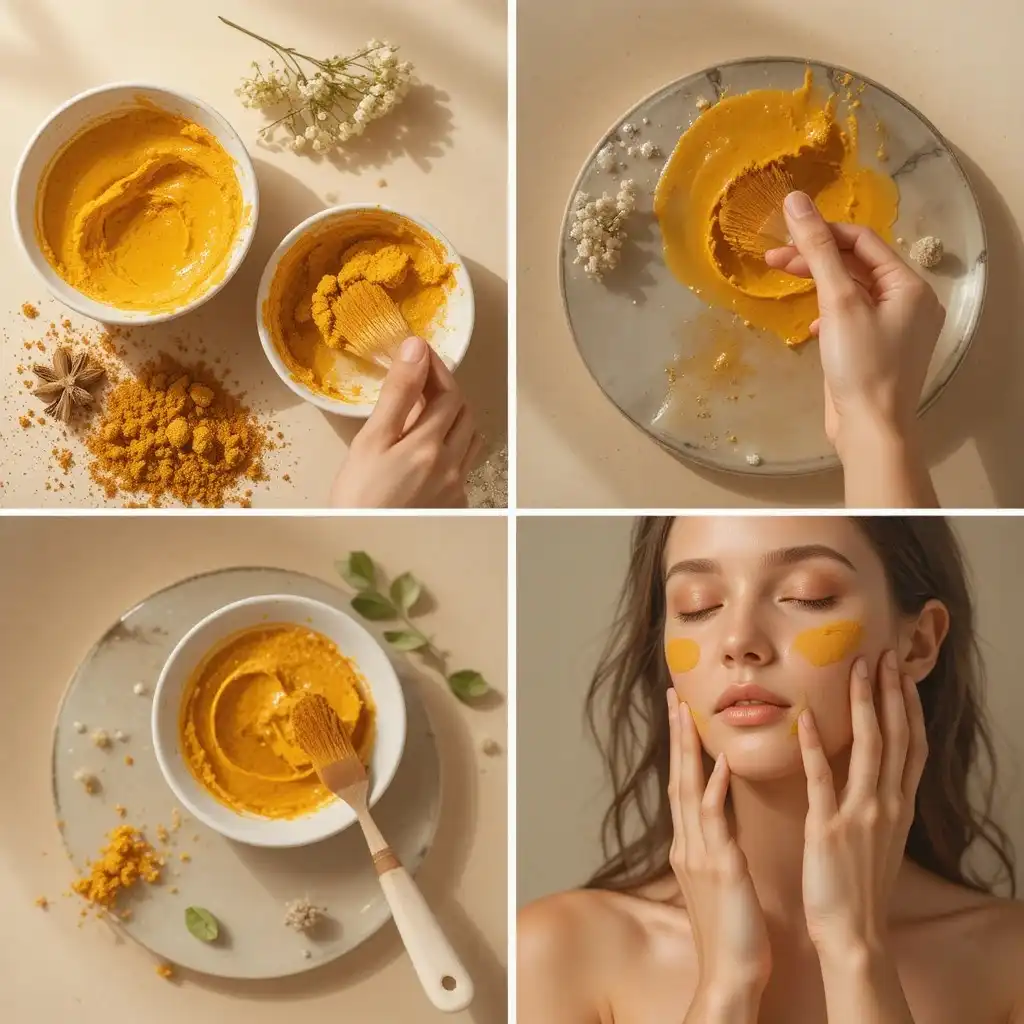
- Patch test first. Apply a small amount to your inner arm and wait 24 hours to check for any reaction.
- Cleanse your face so the mask can work on clean skin.
- Apply the paste evenly, using a cosmetic brush or clean fingers, avoiding the eye area.
- Leave it on for 10–15 minutes — no need to go longer, since turmeric is concentrated.
- Rinse with lukewarm water, using gentle circular motions.
- Follow with moisturizer and SPF, especially during the day.
A quick heads-up: turmeric is notorious for staining. Avoid metal bowls while mixing to prevent discoloration, wear old clothes, and use a washcloth you don’t mind staining slightly yellow. Be Beautiful
How Often Should You Use a Turmeric Face Mask?
Twice a week tends to be the sweet spot for most skin types, giving your skin enough time to respond between applications without overdoing it. If you have sensitive skin, start with once a week and watch how your skin reacts before increasing frequency. Dr. Axe
Precautions and Side Effects to Know
Turmeric is generally considered safe for topical use, but a few things are worth keeping in mind:
- Temporary yellow tint. Don’t be alarmed if your skin looks slightly yellow right after rinsing — this fades within an hour or two with a second gentle wash.
- Staining risk. Turmeric can stain skin, clothing, and towels, so plan accordingly.
- Allergic reactions are possible. Always patch test before applying to your full face.
- Overnight use isn’t recommended. Avoid leaving turmeric-containing face masks on overnight, since it has the potential to stain fabrics and skin. Healthline
- Sun sensitivity with lemon. If your mask includes lemon juice, avoid direct sun exposure afterward.
Frequently Asked Questions
Can I use turmeric on my face every day?
It’s not typically recommended. Two to three times a week is usually enough to see benefits without risking irritation or excess dryness.
Does turmeric actually lighten skin permanently?
No natural remedy provides permanent changes to skin tone. Turmeric may help fade the look of dark spots and dullness over consistent use, but results vary by individual and require patience expect early changes around 2–4 weeks, with more visible results closer to 6–8 weeks.
Will a turmeric mask stain my skin yellow?
It can leave a temporary tint immediately after rinsing, but this typically fades within an hour or two, especially with a follow-up rinse.
What can I mix turmeric with for sensitive skin?
Aloe vera gel or plain yogurt are gentler pairings than lemon juice, which can be more irritating for reactive or sensitive skin types.
The Bottom Line
Turmeric isn’t a miracle cure, but it’s one of the most versatile, budget-friendly ingredients you can add to a natural skincare routine. From calming inflammation to helping fade the look of dark spots and giving your complexion a healthy glow, these 18 turmeric face mask benefits explain exactly why this golden spice has stuck around in beauty routines for centuries.